


- Afhalen na 1 uur in een winkel met voorraad
- Gratis thuislevering in België vanaf € 30
- Ruim aanbod met 7 miljoen producten
- Afhalen na 1 uur in een winkel met voorraad
- Gratis thuislevering in België vanaf € 30
- Ruim aanbod met 7 miljoen producten





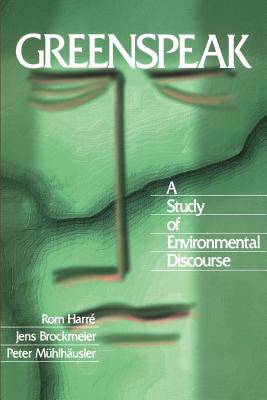
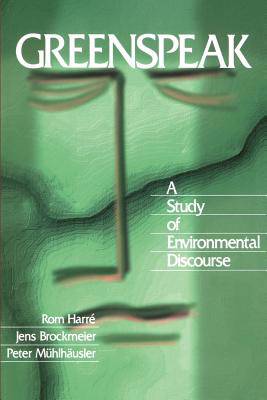
Greenspeak
A Study of Environmental Discourse
Rom Harré, Jens Brockmeier, Peter Mühlhäusler
Paperback | Engels
€ 257,95
+ 515 punten
Uitvoering
Omschrijving
In this remarkably interdisciplinary examination of the discourse of environmentalism, the authors explore the linguistic, philosophical, psychological and cultural-historical aspects of environmental discourse; rather than environmental phenomena themselves. This volume is not advocacy on environmentalism, rather, it is an analysis of the means of persuasion and the techniques of advocacy used by both sides of the environmental debate between ôconservationistsö and ôconservatives.ö Based on studies conducted between 1992 and 1996, the book includes an analysis of the concepts of time and space in their linguistic manifestations. Another theme is the interdependencies of the natural world with political and economic institutions. Ultimately, it is a call to action, as the authors see in the increasing ôgreeningö of English and other Western languages, a kind of linguistic way of replacing or postponing action with talk alone. A groundbreaking volume, Greanspeak will promote dialogue among professionals and students in the fields of environmental issues, linguistics, discourse, psychology, and public policy.
Specificaties
Betrokkenen
- Auteur(s):
- Uitgeverij:
Inhoud
- Aantal bladzijden:
- 216
- Taal:
- Engels
Eigenschappen
- Productcode (EAN):
- 9780761917052
- Verschijningsdatum:
- 3/11/1998
- Uitvoering:
- Paperback
- Formaat:
- Trade paperback (VS)
- Afmetingen:
- 171 mm x 216 mm
- Gewicht:
- 326 g


Alleen bij Standaard Boekhandel
+ 515 punten op je klantenkaart van Standaard Boekhandel
Cadeau

AANGERADEN


Beoordelingen
We publiceren alleen reviews die voldoen aan de voorwaarden voor reviews. Bekijk onze voorwaarden voor reviews.