


- Afhalen na 1 uur in een winkel met voorraad
- Gratis thuislevering in België vanaf € 30
- Ruim aanbod met 7 miljoen producten
- Afhalen na 1 uur in een winkel met voorraad
- Gratis thuislevering in België vanaf € 30
- Ruim aanbod met 7 miljoen producten




€ 177,45
+ 354 punten
Omschrijving
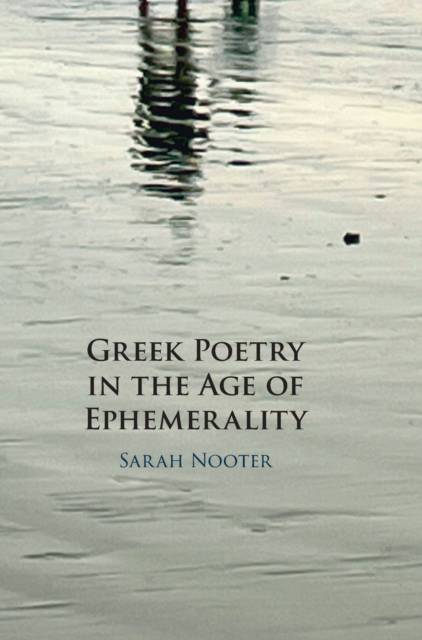
This book suggests that poetry offers a way to remain in the world - not only by declarations of intent or the promotion of remembrance, but also through the durable physicality of its practice. Whether carved in stone or wood, printed onto a page, beat out by a mimetic or rhythmic body, or humming in the mind, poems are meant to engrave and adhere. Ancient Greek poetry exhibits a particularly acute awareness of change, decay, and the ephemerality inherent in mortality. Yet it couples its presentation of this awareness with an offering of meaningful embodiment in shifting forms that are aligned with, yet subtly manipulative of, mortal time. Sarah Nooter's argument ranges widely across authors and genres, from Homer and the Homeric Hymns through Sappho and Archilochus to Pindar and Aeschylus. The book will be compelling reading for all those interested in Greek literature and in poetry more broadly.
Specificaties
Betrokkenen
- Auteur(s):
- Uitgeverij:
Inhoud
- Aantal bladzijden:
- 256
- Taal:
- Engels
Eigenschappen
- Productcode (EAN):
- 9781009320351
- Verschijningsdatum:
- 27/04/2023
- Uitvoering:
- Hardcover
- Formaat:
- Genaaid
- Afmetingen:
- 170 mm x 244 mm
- Gewicht:
- 607 g


Alleen bij Standaard Boekhandel
+ 354 punten op je klantenkaart van Standaard Boekhandel
CADEAU

AANGERADEN


Beoordelingen
We publiceren alleen reviews die voldoen aan de voorwaarden voor reviews. Bekijk onze voorwaarden voor reviews.