


- Afhalen na 1 uur in een winkel met voorraad
- Gratis thuislevering in België vanaf € 30
- Ruim aanbod met 7 miljoen producten
- Afhalen na 1 uur in een winkel met voorraad
- Gratis thuislevering in België vanaf € 30
- Ruim aanbod met 7 miljoen producten





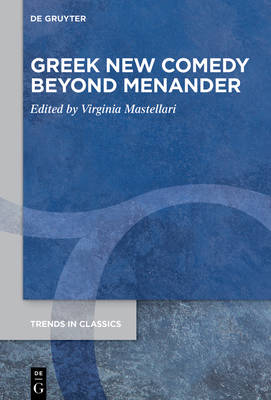
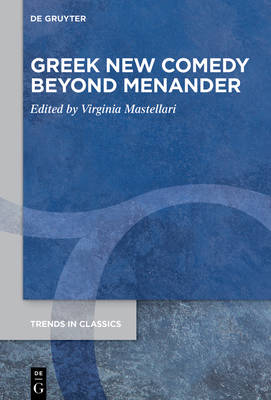
Greek New Comedy Beyond Menander
€ 134,95
+ 269 punten
Omschrijving
While Menander has long stood as the emblematic figure of Greek New Comedy, recent scholarship has increasingly challenged this Menandrocentric view by re-examining the broader landscape of comic production in the late-Classic and Hellenistic period. This volume brings to the fore the fragmentary remains of Menander's contemporaries--such as Philemon, Diphilus, Apollodorus and others--offering new insights into their character typologies, linguistic style, and political engagement. Through philological, literary, and reception-oriented approaches, the contributions in this book reevaluate long-standing assumptions about the genre. The volume not only recontextualizes New Comedy within its historical and literary frameworks but also sheds light on its impact on Roman comedy. By expanding the canon beyond Menander, this study provides classicists, philologists, and literary historians with a more nuanced and comprehensive understanding of the genre's complexity and cultural significance.
Specificaties
Betrokkenen
- Uitgeverij:
Inhoud
- Aantal bladzijden:
- 378
- Taal:
- Engels
- Reeks:
- Reeksnummer:
- nr. 200
Eigenschappen
- Productcode (EAN):
- 9783119144285
- Verschijningsdatum:
- 2/02/2026
- Uitvoering:
- Hardcover
- Formaat:
- Genaaid
- Afmetingen:
- 156 mm x 234 mm
- Gewicht:
- 707 g

Alleen bij Standaard Boekhandel
+ 269 punten op je klantenkaart van Standaard Boekhandel
Cadeau

AANGERADEN


Beoordelingen
We publiceren alleen reviews die voldoen aan de voorwaarden voor reviews. Bekijk onze voorwaarden voor reviews.