


- Afhalen na 1 uur in een winkel met voorraad
- Gratis thuislevering in België vanaf € 30
- Ruim aanbod met 7 miljoen producten
- Afhalen na 1 uur in een winkel met voorraad
- Gratis thuislevering in België vanaf € 30
- Ruim aanbod met 7 miljoen producten





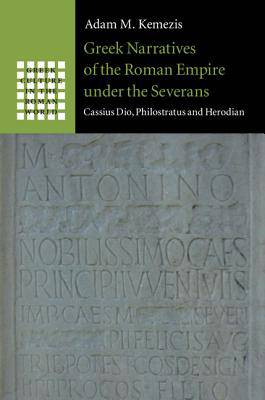
Greek Narratives of the Roman Empire under the Severans
Cassius Dio, Philostratus and Herodian
Adam M Kemezis
€ 216,45
+ 432 punten
Uitvoering
Eenvoudig bestellen
Veilig betalen


Gratis thuislevering vanaf € 30 (via bpost)
Gratis levering in je Standaard Boekhandel
Omschrijving
The political instability of the Severan Period (AD 193-235) destroyed the High Imperial consensus about the Roman past and caused both rulers and subjects constantly to re-imagine and re-narrate both recent events and the larger shape of Greco-Roman history and cultural identity. This book examines the narratives put out by the new dynasty, and how the literary elite responded with divergent visions of their own. It focuses on four long Greek narrative texts from the period (by Cassius Dio, Philostratus and Herodian), each of which constructs its own version of the empire, each defined by different Greek and Roman elements and each differently affected by dynastic change, especially that from Antonine to Severan. Innovative theories of narrative are used to produce new readings of these works that bring political, literary and cultural perspectives together in a unified presentation of the Severan era as a distinctive historical moment.
Specificaties
Betrokkenen
- Auteur(s):
- Uitgeverij:
Inhoud
- Aantal bladzijden:
- 354
- Taal:
- Engels
- Reeks:
Eigenschappen
- Productcode (EAN):
- 9781107062726
- Verschijningsdatum:
- 23/10/2014
- Uitvoering:
- Hardcover
- Formaat:
- Genaaid
- Afmetingen:
- 155 mm x 236 mm
- Gewicht:
- 630 g


Alleen bij Standaard Boekhandel
+ 432 punten op je klantenkaart van Standaard Boekhandel
CADEAU

AANGERADEN


Beoordelingen
We publiceren alleen reviews die voldoen aan de voorwaarden voor reviews. Bekijk onze voorwaarden voor reviews.