


- Afhalen na 1 uur in een winkel met voorraad
- Gratis thuislevering in België vanaf € 30
- Ruim aanbod met 7 miljoen producten
- Afhalen na 1 uur in een winkel met voorraad
- Gratis thuislevering in België vanaf € 30
- Ruim aanbod met 7 miljoen producten





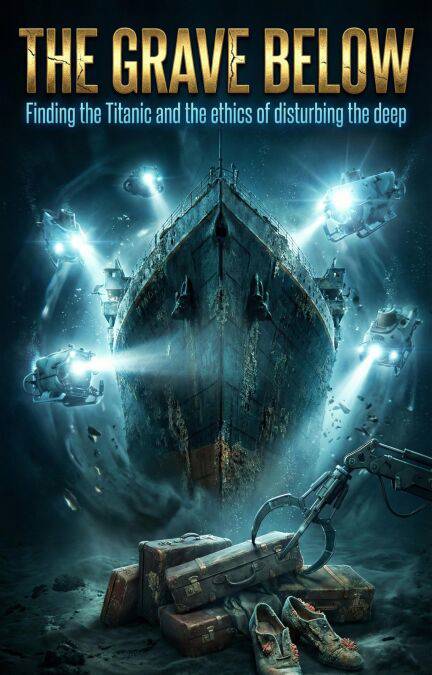
Grave Below E-BOOK
Finding the Titanic and the ethics of disturbing the deep
Margaret Holloway
E-book | Engels
€ 24,99
+ 24 punten
Omschrijving
For 73 years, the Titanic lay hidden in the Atlantic, deeper than any salvage operation could reach. When Robert Ballard's cameras finally found the wreck in 1985, they revealed a ghost ship suspended in time, surrounded by shoes and suitcases scattered across the ocean floor. The discovery raised a question nobody had prepared for: what now?
This book explores what happened after the cameras arrived. You will learn about the legal battles over salvage rights, the scientific debates over preservation, and the moral arguments about treating a mass grave as a tourist attraction. The Titanic became a test case for underwater heritage, with implications for every shipwreck yet to be found.
The Grave Below does not answer the ethics definitively. It presents the competing claims: science, commerce, memory, and the rights of the dead. As technology makes the deep ocean accessible, these questions will only multiply. The Titanic was the first famous wreck we could reach. It will not be the last.
This book explores what happened after the cameras arrived. You will learn about the legal battles over salvage rights, the scientific debates over preservation, and the moral arguments about treating a mass grave as a tourist attraction. The Titanic became a test case for underwater heritage, with implications for every shipwreck yet to be found.
The Grave Below does not answer the ethics definitively. It presents the competing claims: science, commerce, memory, and the rights of the dead. As technology makes the deep ocean accessible, these questions will only multiply. The Titanic was the first famous wreck we could reach. It will not be the last.
Specificaties
Betrokkenen
- Auteur(s):
- Uitgeverij:
Inhoud
- Aantal bladzijden:
- 167
- Taal:
- Engels
Eigenschappen
- Productcode (EAN):
- 9783565236121
- Verschijningsdatum:
- 9/02/2026
- Uitvoering:
- E-book
- Formaat:
- ePub


Alleen bij Standaard Boekhandel
+ 24 punten op je klantenkaart van Standaard Boekhandel
AANGERADEN


Beoordelingen
We publiceren alleen reviews die voldoen aan de voorwaarden voor reviews. Bekijk onze voorwaarden voor reviews.