


- Afhalen na 1 uur in een winkel met voorraad
- Gratis thuislevering in België vanaf € 30
- Ruim aanbod met 7 miljoen producten
- Afhalen na 1 uur in een winkel met voorraad
- Gratis thuislevering in België vanaf € 30
- Ruim aanbod met 7 miljoen producten





€ 8,09
+ 8 punten
Uitvoering
Omschrijving
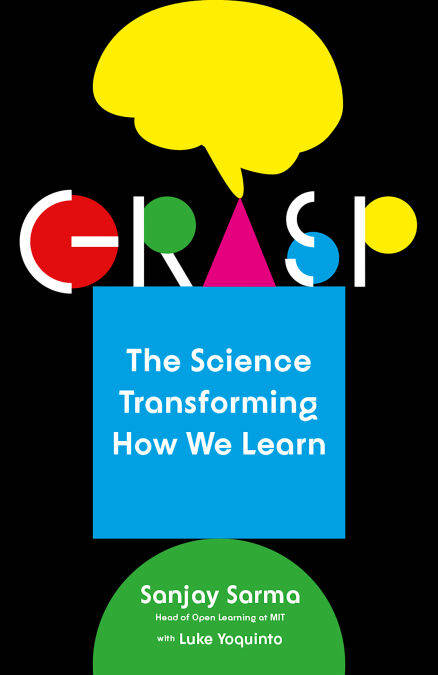
How do we learn? And how can we learn better?
In this groundbreaking look at the science of learning, Sanjay Sarma, head of Open Learning at MIT, shows how we can harness this knowledge to discover our true potential. Drawing from his own experience as an educator as well as the work of researchers and innovators at MIT and beyond, in Grasp, Sarma explores the history of modern education, tracing the way in which traditional classroom methods—lecture, homework, test, repeat—became the norm and showing why things needs to change.
The book takes readers across multiple frontiers, from fundamental neuroscience to cognitive psychology and beyond, as it considers the future of learning. It introduces scientists who study forgetting, exposing it not as a simple failure of memory but as a critical weapon in our learning arsenal. It examines the role curiosity plays in promoting a state of “readiness to learn” in the brain (and its troublesome twin, “unreadiness to learn”). And it reveals how such ideas are being put into practice in the real world, such as at unorthodox new programs like Ad Astra, located on the SpaceX campus.
Along the way, Grasp debunks long-held views such as the noxious idea of “learning styles,” equipping readers with practical tools for absorbing and retaining information across a lifetime of learning.
In this groundbreaking look at the science of learning, Sanjay Sarma, head of Open Learning at MIT, shows how we can harness this knowledge to discover our true potential. Drawing from his own experience as an educator as well as the work of researchers and innovators at MIT and beyond, in Grasp, Sarma explores the history of modern education, tracing the way in which traditional classroom methods—lecture, homework, test, repeat—became the norm and showing why things needs to change.
The book takes readers across multiple frontiers, from fundamental neuroscience to cognitive psychology and beyond, as it considers the future of learning. It introduces scientists who study forgetting, exposing it not as a simple failure of memory but as a critical weapon in our learning arsenal. It examines the role curiosity plays in promoting a state of “readiness to learn” in the brain (and its troublesome twin, “unreadiness to learn”). And it reveals how such ideas are being put into practice in the real world, such as at unorthodox new programs like Ad Astra, located on the SpaceX campus.
Along the way, Grasp debunks long-held views such as the noxious idea of “learning styles,” equipping readers with practical tools for absorbing and retaining information across a lifetime of learning.
Specificaties
Betrokkenen
- Auteur(s):
- Uitgeverij:
Inhoud
- Aantal bladzijden:
- 352
- Taal:
- Engels
Eigenschappen
- Productcode (EAN):
- 9780385541831
- Verschijningsdatum:
- 17/08/2020
- Uitvoering:
- E-book
- Beveiligd met:
- Adobe DRM
- Formaat:
- ePub


Alleen bij Standaard Boekhandel
+ 8 punten op je klantenkaart van Standaard Boekhandel
Wedstrijd


Beoordelingen
We publiceren alleen reviews die voldoen aan de voorwaarden voor reviews. Bekijk onze voorwaarden voor reviews.