


- Afhalen na 1 uur in een winkel met voorraad
- Gratis thuislevering in België vanaf € 30
- Ruim aanbod met 7 miljoen producten
- Afhalen na 1 uur in een winkel met voorraad
- Gratis thuislevering in België vanaf € 30
- Ruim aanbod met 7 miljoen producten





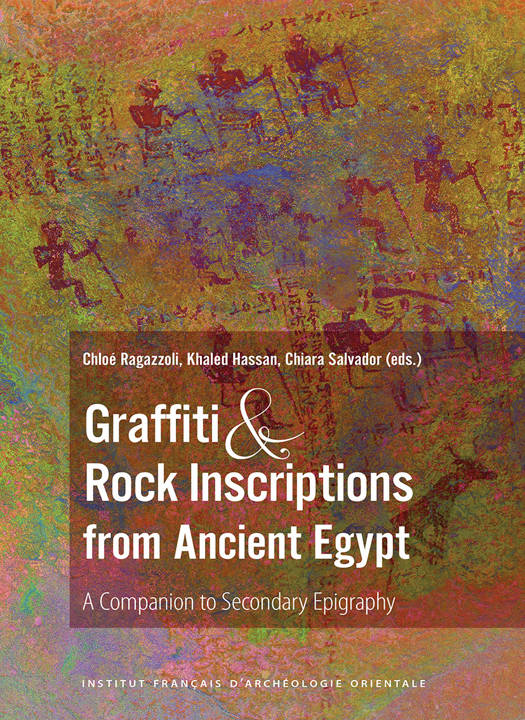
Graffiti and Rock Inscriptions from Ancient Egypt
A Companion to Secondary Epigraphy
€ 70,00
+ 140 punten
Omschrijving
Graffiti, dipinti, rock-inscriptions and other additions to walls and rocks are integral to the landscape and writing practices of ancient Egypt. This book focuses on the margins of traditional ancient Egyptian epigraphic corpora. It aims to provide an all-encompassing view of graffiti practices and corpora in ancient Egypt, ranging from predynastic rock art in the Eastern Desert, to hieratic inscriptions in Middle Egyptian tombs, and demotic signatures in Karnak temple. A range of specialists present primary data from three different environments-deserts, tombs, and temples-following common lines of inquiry that aim to look beyond their textual or iconographic content and address graffiti's agency more closely. Accordingly, this book investigates the interplay between secondary inscriptions and images, the space in which they were embedded, and the audiences for whom they were intended. Despite the diversity inherent in the nature of graffiti, common paths and shared threads of discussion emerge once these inscriptions are considered as material objects and socio-cultural practices.
Specificaties
Betrokkenen
- Uitgeverij:
Inhoud
- Aantal bladzijden:
- 450
- Taal:
- Engels
- Reeks:
- Reeksnummer:
- nr. 182
Eigenschappen
- Productcode (EAN):
- 9782724708509
- Verschijningsdatum:
- 31/12/2023
- Uitvoering:
- Hardcover
- Formaat:
- Genaaid
- Afmetingen:
- 208 mm x 283 mm
- Gewicht:
- 906 g

Alleen bij Standaard Boekhandel
+ 140 punten op je klantenkaart van Standaard Boekhandel
Cadeau

AANGERADEN


Beoordelingen
We publiceren alleen reviews die voldoen aan de voorwaarden voor reviews. Bekijk onze voorwaarden voor reviews.