


- Afhalen na 1 uur in een winkel met voorraad
- Gratis thuislevering in België vanaf € 30
- Ruim aanbod met 7 miljoen producten
- Afhalen na 1 uur in een winkel met voorraad
- Gratis thuislevering in België vanaf € 30
- Ruim aanbod met 7 miljoen producten





€ 140,95
+ 281 punten
Omschrijving
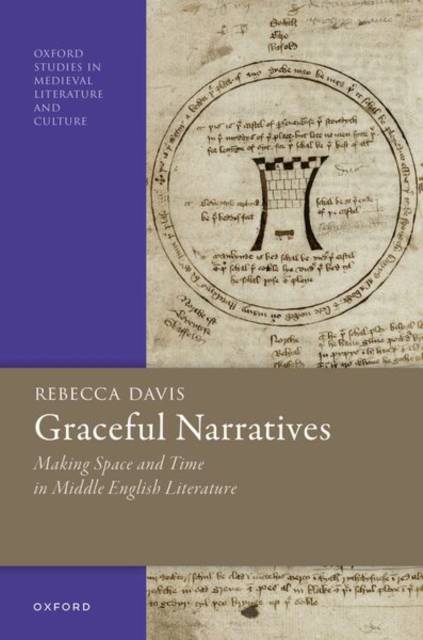
Graceful Narratives argues that the concept of grace functions as a form of literary theory in late-medieval English texts, generating dilated, deliberative narratives that resist linear plotting and create space for alternative outcomes. Drawing on theological, legal, and courtly contexts, Davis demonstrates that grace operates not merely as a thematic concern but as a formal principle that suspends temporal flow, disrupts predetermined plots, and enables narrative transformation. The book examines six canonical Middle English works in which grace plays a pivotal role: Chaucer's Troilus and Criseyde, The Tale of Melibee, and The Franklin's Tale; Julian of Norwich's Revelation of Love; Langland's Piers Plowman; and The Castle of Perseverance. Like lyric poetry, these graceful narratives resist temporal pressures associated with linearity and plottedness, forestalling closure and opening paths towards reconciliation and amendment. Reflections on grace in literary contexts produce expanded narratives featuring the imagery and terminology of dwelling as a refuge against linear temporality's demands. By examining how medieval writers used grace to theorize fiction, Graceful Narratives contributes to conversations about premodern fictionality. Thinking grace, this book shows, necessarily means thinking fiction, the contrary to fact, the "what if?" In its resistive and restorative cultural work, the graceful narrative emerges as a form of medieval speculative fiction, answering a critical intellectual and social need for deliberative space.
Specificaties
Betrokkenen
- Auteur(s):
- Uitgeverij:
Inhoud
- Aantal bladzijden:
- 304
- Taal:
- Engels
- Reeks:
Eigenschappen
- Productcode (EAN):
- 9780197903476
- Verschijningsdatum:
- 25/09/2026
- Uitvoering:
- Hardcover
- Formaat:
- Genaaid
- Afmetingen:
- 156 mm x 234 mm


Alleen bij Standaard Boekhandel
+ 281 punten op je klantenkaart van Standaard Boekhandel
Cadeau

AANGERADEN


Beoordelingen
We publiceren alleen reviews die voldoen aan de voorwaarden voor reviews. Bekijk onze voorwaarden voor reviews.