


- Afhalen na 1 uur in een winkel met voorraad
- Gratis thuislevering in België vanaf € 30
- Ruim aanbod met 7 miljoen producten
- Afhalen na 1 uur in een winkel met voorraad
- Gratis thuislevering in België vanaf € 30
- Ruim aanbod met 7 miljoen producten





Omschrijving
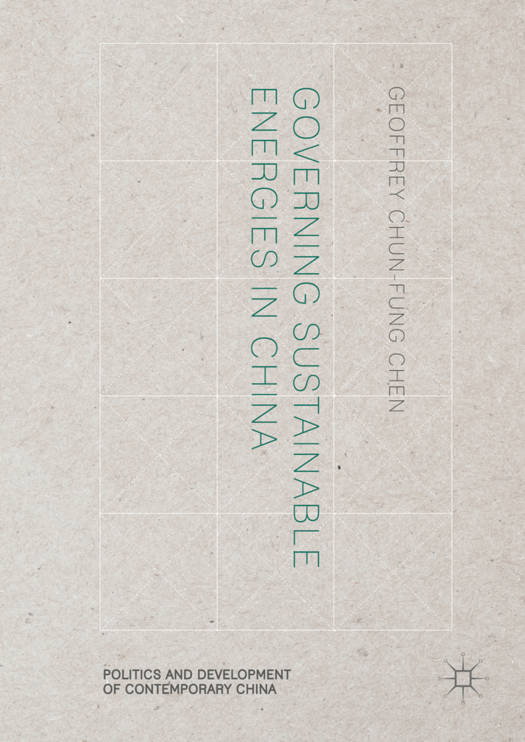
This book examines sustainable energy development in China, a non-liberal state, as a counterexample to conventional wisdom that effective policy outcomes are premised on the basis of decentralized governance. The use of sustainable energies as part of the solution for stabilising global warming has been promoted in industrialised countries for the past three decades. In the last ten years, China has expanded its renewable energy capacity with unprecedented speed and breadth. This phenomenon seems to contradict the principle of orthodox environmental governance, in which stakeholder participation is deemed a necessary condition for effective policy outcomes. Based upon policy documents, news report and interviews with 32 policy makers, business leaders, and NGO practitioners in selected subnational governments, this book examines the politics of sustainable energy in China. It engages debates over the relationships among democratic prioritisation, environmental protection, and economic empowerment, arguing that China's quasi-corporatist model in the sustainable energy field challenges Western scholars' dominant assumptions about ecopolitics.
Specificaties
Betrokkenen
- Auteur(s):
- Uitgeverij:
Inhoud
- Aantal bladzijden:
- 296
- Taal:
- Engels
- Reeks:
Eigenschappen
- Productcode (EAN):
- 9783319309682
- Verschijningsdatum:
- 11/07/2016
- Uitvoering:
- Hardcover
- Formaat:
- Genaaid
- Afmetingen:
- 152 mm x 213 mm
- Gewicht:
- 498 g


Alleen bij Standaard Boekhandel
+ 216 punten op je klantenkaart van Standaard Boekhandel
Cadeau

AANGERADEN


Beoordelingen
We publiceren alleen reviews die voldoen aan de voorwaarden voor reviews. Bekijk onze voorwaarden voor reviews.