


- Afhalen na 1 uur in een winkel met voorraad
- Gratis thuislevering in België vanaf € 30
- Ruim aanbod met 7 miljoen producten
- Afhalen na 1 uur in een winkel met voorraad
- Gratis thuislevering in België vanaf € 30
- Ruim aanbod met 7 miljoen producten





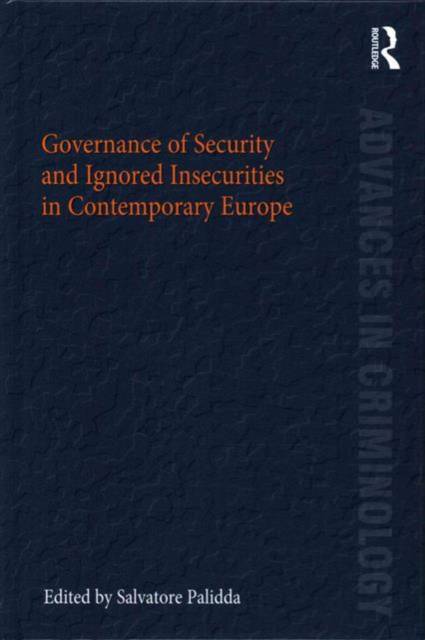
Governance of Security and Ignored Insecurities in Contemporary Europe
€ 343,45
+ 686 punten
Omschrijving
This book explores changes in security governance in Europe from the 1990s, focusing on some of the most important consequences: the proliferation of ignored insecurities, including the increase of oncological diseases, environmental disasters, shadow economies reproducing neo-slavery and fiscal fraud, and the general damage to the res publica. What is the articulation of removal, reclamation and consequently the implementation of devices and the establishing of prevention practices? Why are the majority of victims and also the control agency professionals seemingly resigned to these ignored insecurities? Following more than 20 years of research in the area, the authors examine these questions and how the securitisation of society has been exacerbated. They argue that the primary cause of the increase in ignored insecurities is the consequence of the neoliberal turn in security governance. This book proposes an innovative approach to security governance, not only through a serious analysis of the balance of the costs and benefits, but also highlighting what is here termed `ignored insecurities'. The authors propose a review of the problems, showing that the governance of security is a crucial element of the contemporary political organisation of society. The book ends with an innovative reflection on the Anthropocene debate and the COP21 summit which took place in Paris in December 2015.
Specificaties
Betrokkenen
- Uitgeverij:
Inhoud
- Aantal bladzijden:
- 290
- Taal:
- Engels
- Reeks:
Eigenschappen
- Productcode (EAN):
- 9781472472625
- Verschijningsdatum:
- 15/04/2016
- Uitvoering:
- Hardcover
- Formaat:
- Genaaid
- Afmetingen:
- 156 mm x 234 mm
- Gewicht:
- 580 g


Alleen bij Standaard Boekhandel
+ 686 punten op je klantenkaart van Standaard Boekhandel
Cadeau

AANGERADEN


Beoordelingen
We publiceren alleen reviews die voldoen aan de voorwaarden voor reviews. Bekijk onze voorwaarden voor reviews.