


- Afhalen na 1 uur in een winkel met voorraad
- Gratis thuislevering in België vanaf € 30
- Ruim aanbod met 7 miljoen producten
- Afhalen na 1 uur in een winkel met voorraad
- Gratis thuislevering in België vanaf € 30
- Ruim aanbod met 7 miljoen producten





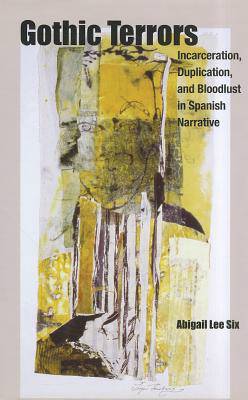
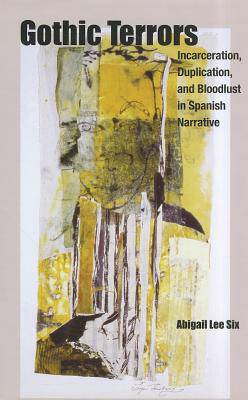
Gothic Terrors
Incarceration, Duplication, and Bloodlust in Spanish Narrative
Abigail Lee Six
Hardcover | Engels
€ 186,95
+ 373 punten
Omschrijving
Gothic Terrors brings together two discursive fields that have had very little contact hitherto: gothic studies and Hispanism. Though widely accepted in English studies, Hispanists seldom invoke the concept of a Gothic mode existing beyond its first appearance in the eighteenth century. Highlighting Gothic elements in mainstream Spanish fiction from the nineteenth century until the present day, Lee Six challenges the view that Spanish writers rejected what the Gothic had to offer. Through close study of texts by Benito Pérez Galdós, Emilia Pardo Bazán, Miguel de Unamuno, Camilo José Cela, Adelaida García Morales, Espido Freire, and Javier García Sanchez, Abigail Lee Six traces the evolution of three staples of the Gothic: the heroine imprisoned on grounds of madness, the doubled or split character, and the use of violent, gory description. Persuasively argued and well researched, Gothic Terrors reflects on the Gothic presence in Spanish mainstream literature and identifies two important ways in which it crosses cultural divides: the traditional gulf between high and low culture within Spain, and the engagement of Spanish creative writers with transnational literary trends. Gothic Terrors will thus appeal to Gothic scholars who are interested in the Spanish dimension of their field, as well as to Hispanists who may have been unaware of how relevant and useful Gothic studies could be for them.
Specificaties
Betrokkenen
- Auteur(s):
- Uitgeverij:
Inhoud
- Aantal bladzijden:
- 184
- Taal:
- Engels
Eigenschappen
- Productcode (EAN):
- 9781611483406
- Verschijningsdatum:
- 1/04/2010
- Uitvoering:
- Hardcover
- Formaat:
- Genaaid
- Afmetingen:
- 160 mm x 236 mm
- Gewicht:
- 385 g


Alleen bij Standaard Boekhandel
+ 373 punten op je klantenkaart van Standaard Boekhandel
Cadeau

AANGERADEN


Beoordelingen
We publiceren alleen reviews die voldoen aan de voorwaarden voor reviews. Bekijk onze voorwaarden voor reviews.