


- Afhalen na 1 uur in een winkel met voorraad
- Gratis thuislevering in België vanaf € 30
- Ruim aanbod met 7 miljoen producten
- Afhalen na 1 uur in een winkel met voorraad
- Gratis thuislevering in België vanaf € 30
- Ruim aanbod met 7 miljoen producten





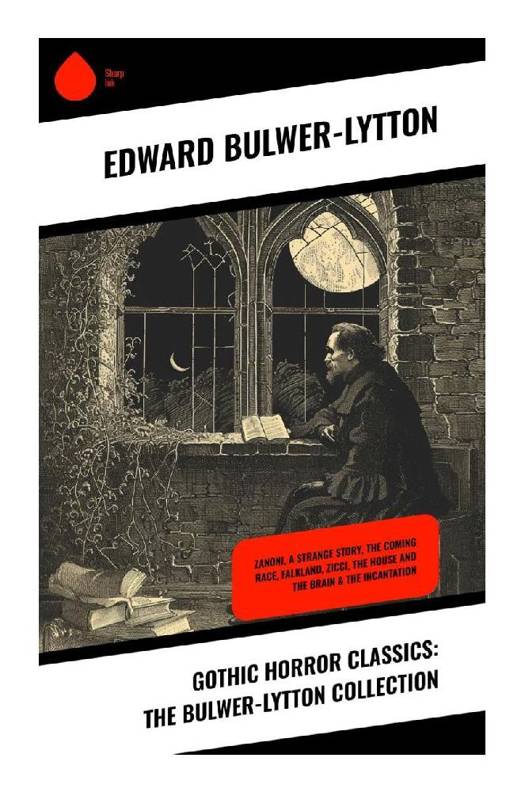
Gothic Horror Classics: The Bulwer-Lytton Collection
Victorian Occult Horror, Haunted Mansions, Mesmerism, and Forbidden Knowledge
Edward Bulwer-Lytton
Paperback | Engels
€ 34,95
+ 69 punten
Omschrijving
Gothic Horror Classics: The Bulwer-Lytton Collection gathers Edward Bulwer-Lytton's most atmospheric ventures into terror, occult speculation, and metaphysical romance. Moving from haunted interiors and uncanny visitations to mesmerism, alchemy, and forbidden knowledge, these works reveal a writer who helped bridge late Romantic Gothic and Victorian supernatural fiction. His prose is ornate, theatrical, and philosophically ambitious, combining sensation with moral inquiry and giving the Gothic mode a distinctly intellectual cast. Bulwer-Lytton, a prolific novelist, dramatist, politician, and public intellectual, was deeply engaged with the spiritual and scientific controversies of his age. His fascination with Rosicrucian lore, magnetism, esotericism, and the limits of rational explanation informs much of this collection. Known today for both his influence and his stylistic excesses, he nevertheless shaped popular fiction decisively, anticipating later occult and horror traditions while reflecting Victorian anxieties about progress, belief, and hidden forces. This collection is recommended for readers interested in the genealogy of Gothic horror beyond its most familiar names. It will especially reward those who appreciate elaborate nineteenth-century prose, philosophical mystery, and supernatural fiction that treats fear as a gateway to larger questions about power, knowledge, and the soul.
Specificaties
Betrokkenen
- Auteur(s):
- Uitgeverij:
Inhoud
- Taal:
- Engels
Eigenschappen
- Productcode (EAN):
- 9788028359539
- Uitvoering:
- Paperback
- Afmetingen:
- 152 mm x 41 mm
- Gewicht:
- 1097 g


Alleen bij Standaard Boekhandel
+ 69 punten op je klantenkaart van Standaard Boekhandel
CADEAU

AANGERADEN


Beoordelingen
We publiceren alleen reviews die voldoen aan de voorwaarden voor reviews. Bekijk onze voorwaarden voor reviews.