


- Afhalen na 1 uur in een winkel met voorraad
- Gratis thuislevering in België vanaf € 30
- Ruim aanbod met 7 miljoen producten
- Afhalen na 1 uur in een winkel met voorraad
- Gratis thuislevering in België vanaf € 30
- Ruim aanbod met 7 miljoen producten




Omschrijving
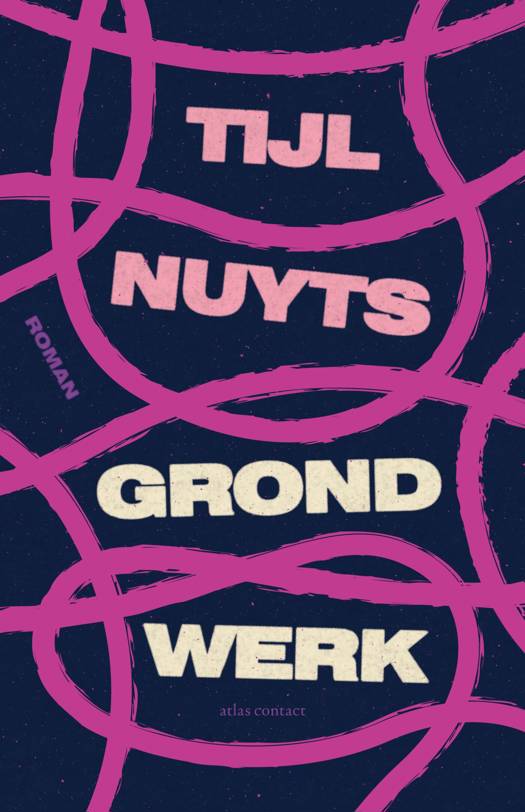
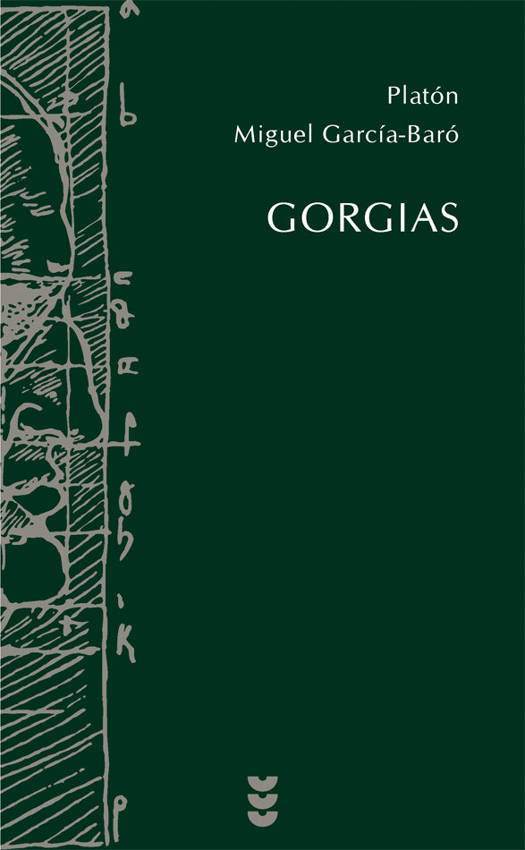
El diálogo "Gorgias" fue escrito hacia 390 a.C., cuando Platón regresó a Atenas y fundó la Academia. Puede considerarse uno de los primeros textos filosóficos, ya que plantea la confrontación entre socratismo y platonismo inicial.Al comienzo del diálogo, Sócrates sustituye los términos «guerra» y «batalla» por la palabra «fiesta». Tan sorprendente cambio expresa el contraste entre el método beligerante de la sofística y la búsqueda de la paz auténtica que la filosofía intenta lograr para el hombre.Hoy, cuando parecen haberse sepultado todos los sentidos y esperanzas de la civilización hasta ahora conocida, cuando se abre paso la impresión de estar asistiendo al crepúsculo de las divinidades concebidas por el hombre, también se vislumbra un ansia inmensa de renovar la realidad, de sentir y pensar con toda la intensidad el Enigma, el Amor y el Bien.ENGLISH:"Gorgias. A Translation and Commentary""Gorgias" was written after 390 B.C., when Plato returned to Athens and founded the Academy. This dialogue is an early evidence of the development of philosophy, as it shows the confrontation between the ideas defended by Socrates and the young Plato and all the other possibilities offered in Athens to get what we would call today a "higher education".At the beginning of the work Socrates changes the terms "war" and "battle" for the word "party". This surprising change reveals the contrast between the belligerent methods of sophists and the search for true peace, something that any genuine philosophy tries to offer to all.
Specificaties
Betrokkenen
- Auteur(s):
- Uitgeverij:
Inhoud
- Aantal bladzijden:
- 224
- Taal:
- Spaans
Eigenschappen
- Productcode (EAN):
- 9788430117536
- Verschijningsdatum:
- 1/12/2010
- Uitvoering:
- Hardcover
- Afmetingen:
- 140 mm x 215 mm
- Gewicht:
- 409 g


Alleen bij Standaard Boekhandel
+ 40 punten op je klantenkaart van Standaard Boekhandel
Cadeau

AANGERADEN


Beoordelingen
We publiceren alleen reviews die voldoen aan de voorwaarden voor reviews. Bekijk onze voorwaarden voor reviews.