


- Afhalen na 1 uur in een winkel met voorraad
- Gratis thuislevering in België vanaf € 30
- Ruim aanbod met 7 miljoen producten
- Afhalen na 1 uur in een winkel met voorraad
- Gratis thuislevering in België vanaf € 30
- Ruim aanbod met 7 miljoen producten




Omschrijving
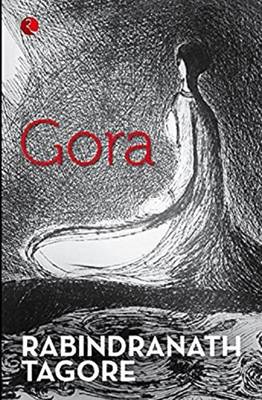
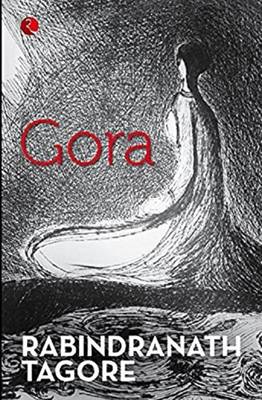
Gora (1910) is Tagore's fifth novel and is considered his masterpiece. Canvassing the social, cultural, religious and political life of nineteenth century urban middle-class Bengali, it is a landmark in the history of the Bengali novel. The novel is believed to be an expression of Tagore's own transition from Hindu revivalism to universal brotherhood, from nationalism to internationalism, from the acceptance of rigid Brahmanism and Hinduism to the religion of man. Gora was translated into English by W.W. Pearson in 1924.
Specificaties
Betrokkenen
- Auteur(s):
- Uitgeverij:
Inhoud
- Aantal bladzijden:
- 570
- Taal:
- Engels
Eigenschappen
- Productcode (EAN):
- 9788171677559
- Verschijningsdatum:
- 1/09/2002
- Uitvoering:
- Paperback
- Formaat:
- Trade paperback (VS)
- Afmetingen:
- 140 mm x 216 mm
- Gewicht:
- 725 g


Alleen bij Standaard Boekhandel
+ 18 punten op je klantenkaart van Standaard Boekhandel
AANGERADEN


Beoordelingen
We publiceren alleen reviews die voldoen aan de voorwaarden voor reviews. Bekijk onze voorwaarden voor reviews.