


- Afhalen na 1 uur in een winkel met voorraad
- Gratis thuislevering in België vanaf € 30
- Ruim aanbod met 7 miljoen producten
- Afhalen na 1 uur in een winkel met voorraad
- Gratis thuislevering in België vanaf € 30
- Ruim aanbod met 7 miljoen producten





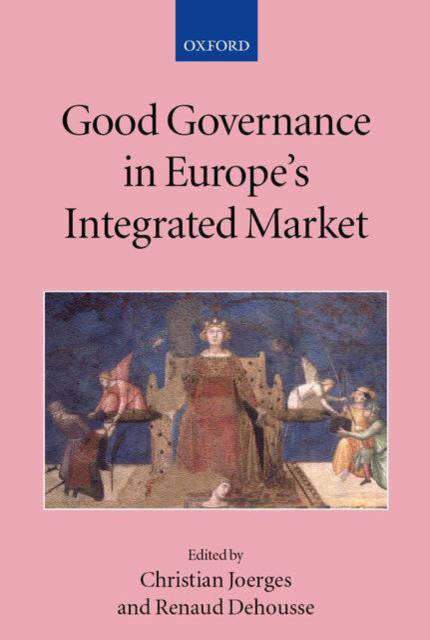
Good Governance in Europe's Integrated Market
€ 281,95
+ 563 punten
Omschrijving
Classical views of European integration have been shaken by the evolution of the past decade. It has become clear that the traditional division of tasks between the European Union and its Member States, and between the various European institutions no longer provides a valid description of European policy-making. As the EU has become a major actor in the field of risk regulation, new institutional and other actors such as scientific experts and transnational bureaucratic networks increasingly play a major role. This book considers the underlying forces that have brought about such change and critically analyzes the responses of the European institutions. Various contributions explore the constitutional and the administrative law dimensions of the developing European market governance, and they consider the changes which have occurred from the perspective of both legal and social theory.
Specificaties
Betrokkenen
- Uitgeverij:
Inhoud
- Aantal bladzijden:
- 388
- Taal:
- Engels
- Reeks:
- Reeksnummer:
- nr. 1
Eigenschappen
- Productcode (EAN):
- 9780199246083
- Verschijningsdatum:
- 20/06/2002
- Uitvoering:
- Hardcover
- Formaat:
- Genaaid
- Afmetingen:
- 156 mm x 234 mm
- Gewicht:
- 716 g


Alleen bij Standaard Boekhandel
+ 563 punten op je klantenkaart van Standaard Boekhandel
Cadeau

AANGERADEN


Beoordelingen
We publiceren alleen reviews die voldoen aan de voorwaarden voor reviews. Bekijk onze voorwaarden voor reviews.