


- Afhalen na 1 uur in een winkel met voorraad
- Gratis thuislevering in België vanaf € 30
- Ruim aanbod met 7 miljoen producten
- Afhalen na 1 uur in een winkel met voorraad
- Gratis thuislevering in België vanaf € 30
- Ruim aanbod met 7 miljoen producten





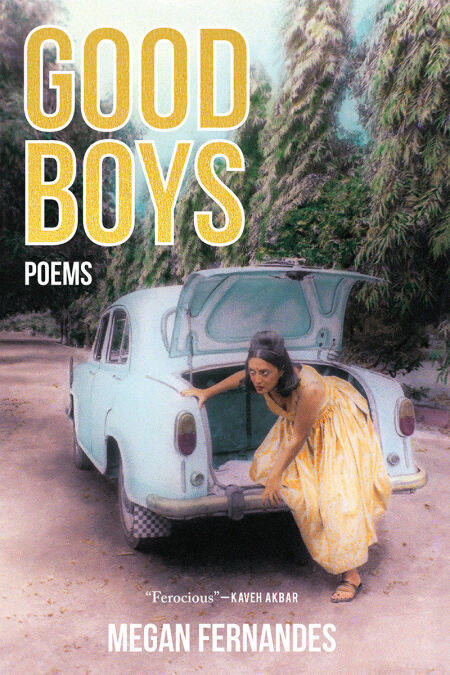
Omschrijving
In an era of rising nationalism and geopolitical instability, Megan Fernandes’s Good Boys offers a complex portrait of messy feminist rage, negotiations with race and travel, and existential dread in the Anthropocene. The collection follows a restless, nervy, cosmically abandoned speaker failing at the aspirational markers of adulthood as she flips from city to city, from enchantment to disgust, always reemerging—just barely—on the trains and bridges and bar stools of New York City. A child of the Indian Ocean diaspora, Fernandes enacts the humor and devastation of what it means to exist as a body of contradictions. Her interpretations are muddied. Her feminism is accusatory, messy. Her homelands are theoretical and rootless. The poet converses with goats and throws a fit at a tarot reading; she loves the intimacy of strangers during turbulent plane rides and has dark fantasies about the “hydrogen fruit” of nuclear fallout. Ultimately, these poems possess an affection for the doomed: false beloveds, the hounded earth, civilizations intent on their own ruin. Fernandes skillfully interrogates where to put our fury and, more importantly, where to direct our mercy.
Specificaties
Betrokkenen
- Auteur(s):
- Uitgeverij:
Inhoud
- Aantal bladzijden:
- 126
- Taal:
- Engels
Eigenschappen
- Productcode (EAN):
- 9781947793491
- Verschijningsdatum:
- 17/02/2020
- Uitvoering:
- E-book
- Beveiligd met:
- Adobe DRM
- Formaat:
- ePub


Alleen bij Standaard Boekhandel
+ 9 punten op je klantenkaart van Standaard Boekhandel
CADEAU

AANGERADEN


Beoordelingen
We publiceren alleen reviews die voldoen aan de voorwaarden voor reviews. Bekijk onze voorwaarden voor reviews.