


- Afhalen na 1 uur in een winkel met voorraad
- Gratis thuislevering in België vanaf € 30
- Ruim aanbod met 7 miljoen producten
- Afhalen na 1 uur in een winkel met voorraad
- Gratis thuislevering in België vanaf € 30
- Ruim aanbod met 7 miljoen producten





€ 34,45
+ 34 punten
Uitvoering
Eenvoudig bestellen
Veilig betalen


Onmiddellijk geleverd via e-mail
Omschrijving
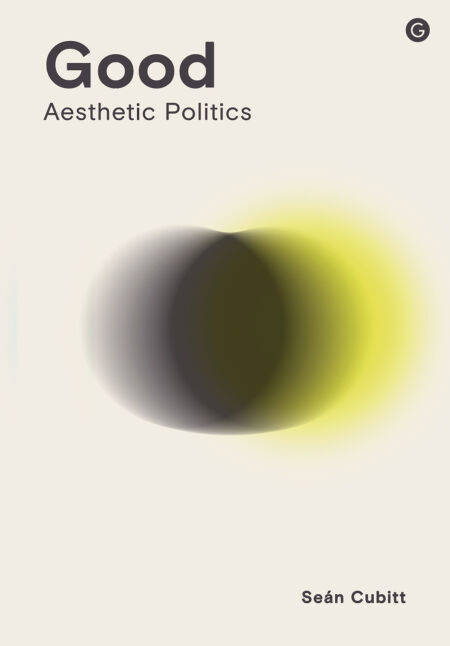
What is the good life—for me, for us, for the cosmos?
Good is an ecocritical enquiry into ethical and political dimensions of aesthetics. Following Aristotle’s lead, it starts with ethics as the question concerning what is the good life for me, moving on to politics as the good life for us. Like Aristotle, between ethics and politics it inserts the question of the good life for you and me—the question of love. In the end—which is where we all live today—it goes beyond Aristotle’s human-centred approach, insisting that the good life cannot be thought or lived without including technologies and ecologies. A truly cosmopolitan politics is a politics of the cosmos. Learning from indigenous cultures, it speaks from and with nature and machines in the form of gods and ancestors. Packed with examples from banking apps to cave art, economic manifestos to cookery, passing through music, painting, poetry, and film, the book evokes critical traditions from across the world to present a lucid and accessible case for decolonial and ecocritical aesthetics.
Good is an ecocritical enquiry into ethical and political dimensions of aesthetics. Following Aristotle’s lead, it starts with ethics as the question concerning what is the good life for me, moving on to politics as the good life for us. Like Aristotle, between ethics and politics it inserts the question of the good life for you and me—the question of love. In the end—which is where we all live today—it goes beyond Aristotle’s human-centred approach, insisting that the good life cannot be thought or lived without including technologies and ecologies. A truly cosmopolitan politics is a politics of the cosmos. Learning from indigenous cultures, it speaks from and with nature and machines in the form of gods and ancestors. Packed with examples from banking apps to cave art, economic manifestos to cookery, passing through music, painting, poetry, and film, the book evokes critical traditions from across the world to present a lucid and accessible case for decolonial and ecocritical aesthetics.
Specificaties
Betrokkenen
- Auteur(s):
- Uitgeverij:
Inhoud
- Aantal bladzijden:
- 296
- Taal:
- Engels
Eigenschappen
- Productcode (EAN):
- 9781915983312
- Verschijningsdatum:
- 31/03/2025
- Uitvoering:
- E-book
- Beveiligd met:
- Adobe DRM
- Formaat:
- ePub


Alleen bij Standaard Boekhandel
+ 34 punten op je klantenkaart van Standaard Boekhandel
CADEAU

AANGERADEN


Beoordelingen
We publiceren alleen reviews die voldoen aan de voorwaarden voor reviews. Bekijk onze voorwaarden voor reviews.