



Je cadeautjes zeker op tijd in huis hebben voor de feestdagen? Kom langs in onze winkels en vind het perfecte geschenk!
- Afhalen na 1 uur in een winkel met voorraad
- Gratis thuislevering in België vanaf € 30
- Ruim aanbod met 7 miljoen producten
Je cadeautjes zeker op tijd in huis hebben voor de feestdagen? Kom langs in onze winkels en vind het perfecte geschenk!
- Afhalen na 1 uur in een winkel met voorraad
- Gratis thuislevering in België vanaf € 30
- Ruim aanbod met 7 miljoen producten





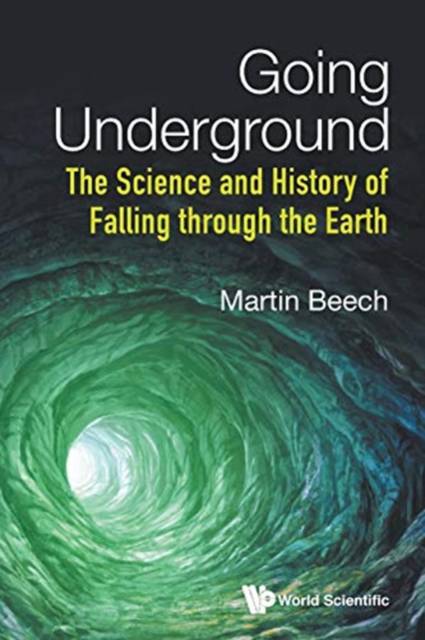
Going Underground: The Science and History of Falling Through the Earth
Martin Beech
Paperback | Engels
€ 73,45
+ 146 punten
Uitvoering
Omschrijving
This book follows the historical trail by which humanity has determined the shape and internal structure of the Earth. It is a story that bears on aspects of the history of science, the history of philosophy and the history of mathematics. At the heart of the narrative is the important philosophical practice of performing thought experiments -- that is, the art of considering an idealized experiment in the mind. This powerful technique has been used by all the great historical practitioners of science and mathematics, and this book looks specifically at the long history of considering what would happen if an object could be dropped into a tunnel that cuts all the way through the Earth's interior. Indeed, the story begins with a historical whodunit, tracing back through the historical literature the origins of what is now a classic, textbook problem in simple harmonic motion.
Specificaties
Betrokkenen
- Auteur(s):
- Uitgeverij:
Inhoud
- Aantal bladzijden:
- 288
- Taal:
- Engels
Eigenschappen
- Productcode (EAN):
- 9789811201288
- Verschijningsdatum:
- 10/05/2019
- Uitvoering:
- Paperback
- Formaat:
- Trade paperback (VS)
- Afmetingen:
- 152 mm x 226 mm
- Gewicht:
- 430 g


Alleen bij Standaard Boekhandel
+ 146 punten op je klantenkaart van Standaard Boekhandel
CADEAU


Beoordelingen
We publiceren alleen reviews die voldoen aan de voorwaarden voor reviews. Bekijk onze voorwaarden voor reviews.