


- Afhalen na 1 uur in een winkel met voorraad
- Gratis thuislevering in België vanaf € 30
- Ruim aanbod met 7 miljoen producten
- Afhalen na 1 uur in een winkel met voorraad
- Gratis thuislevering in België vanaf € 30
- Ruim aanbod met 7 miljoen producten





€ 13,95
+ 27 punten
Uitvoering
Omschrijving
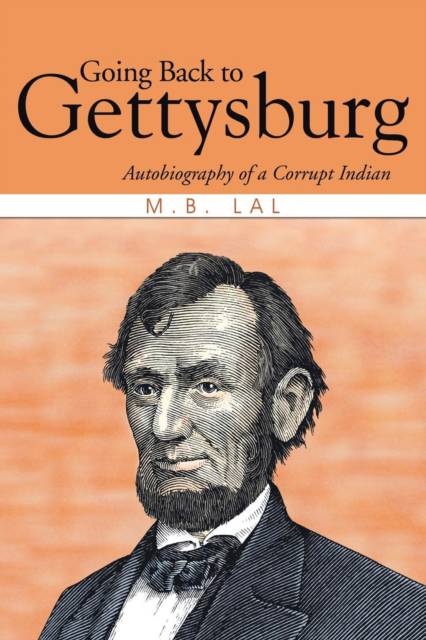
The book Going back to Gettysburg will be bought like hot cakes in intellectual circles in both America and India because it is a light presentation of the uniqueness of the American Civil War (1861-1965) in which 6,00,000 American soldiers, mostly White, laid down their lives to secure the release of four million Black slaves in America. It has no parallel in the history and mythology of the world. It is the only war where combatants fought over the Rights of other oppressed beings and is one of the starting point of the Human Rights movements in the world. This book shows quoting authorities like a secret note from the U.S. Ambassy to the American State department leaked by Wikileaks and numerous reports in American and British Press of how the middle class has enriched itself. The author has given numerous shady deals of his own. Besides, the book contains his own studies of middle class corruption which no newspaper would publish because they are themselves huge beneficiaries of the general loot. The book the contrasts between the Indian habit of quietly submitting to injustice and the Western habit of staging street demonstrations on public issues.
Specificaties
Betrokkenen
- Auteur(s):
- Uitgeverij:
Inhoud
- Aantal bladzijden:
- 302
- Taal:
- Engels
Eigenschappen
- Productcode (EAN):
- 9781482819427
- Verschijningsdatum:
- 13/03/2014
- Uitvoering:
- Paperback
- Formaat:
- Trade paperback (VS)
- Afmetingen:
- 152 mm x 229 mm
- Gewicht:
- 403 g


Alleen bij Standaard Boekhandel
+ 27 punten op je klantenkaart van Standaard Boekhandel
Cadeau

AANGERADEN


Beoordelingen
We publiceren alleen reviews die voldoen aan de voorwaarden voor reviews. Bekijk onze voorwaarden voor reviews.