


- Afhalen na 1 uur in een winkel met voorraad
- Gratis thuislevering in België vanaf € 30
- Ruim aanbod met 7 miljoen producten
- Afhalen na 1 uur in een winkel met voorraad
- Gratis thuislevering in België vanaf € 30
- Ruim aanbod met 7 miljoen producten





€ 109,45
+ 218 punten
Omschrijving
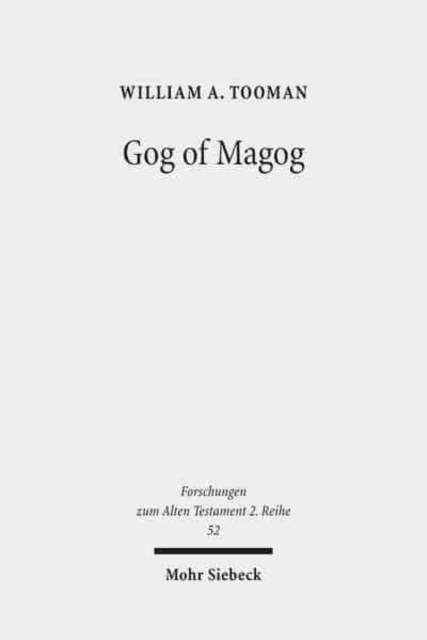
The Gog Oracles' (Ezek 38-39) reuse of antecedent scripture is crucial to their purpose and meaning. The pattern of continuous allusion in the Gog Oracles reflects something more than a writer saturated with scriptural idiom. It is a practice of disciplined and deliberate reference to select texts on select themes. William A. Tooman shows that recognizing the volume and density of scriptural reuse within the Gog Oracles is indispensable for understanding these chapters' role within the book, its composition, and its place within Second Temple literature. A close examination of the methods, effects, and motives of scriptural reuse that are evident within the Gog oracles reveals that these chapters are a unified composition that was crafted as a supplement to a book of Ezekiel, in order to fill gaps in the book's message and to harmonize the book with other traditions of prophetic revelation.
Specificaties
Betrokkenen
- Auteur(s):
- Uitgeverij:
Inhoud
- Aantal bladzijden:
- 343
- Taal:
- Engels
- Reeks:
- Reeksnummer:
- nr. 52
Eigenschappen
- Productcode (EAN):
- 9783161508578
- Verschijningsdatum:
- 1/08/2011
- Uitvoering:
- Paperback
- Formaat:
- Trade paperback (VS)
- Afmetingen:
- 158 mm x 231 mm
- Gewicht:
- 521 g


Alleen bij Standaard Boekhandel
+ 218 punten op je klantenkaart van Standaard Boekhandel
Cadeau

AANGERADEN


Beoordelingen
We publiceren alleen reviews die voldoen aan de voorwaarden voor reviews. Bekijk onze voorwaarden voor reviews.