


- Afhalen na 1 uur in een winkel met voorraad
- Gratis thuislevering in België vanaf € 30
- Ruim aanbod met 7 miljoen producten
- Afhalen na 1 uur in een winkel met voorraad
- Gratis thuislevering in België vanaf € 30
- Ruim aanbod met 7 miljoen producten





€ 31,61
+ 63 punten
Eenvoudig bestellen
Veilig betalen


Gratis thuislevering vanaf € 30 (via bpost)
Gratis levering in je Standaard Boekhandel
Omschrijving
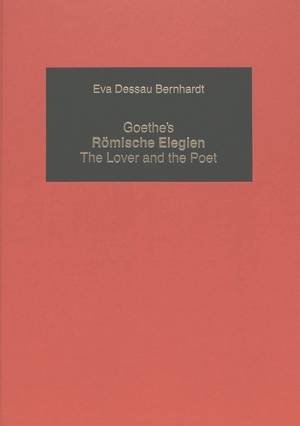
In restoring the two suppressed and neglected elegies to Goethe's first lyric cycle (1788-1790), the author makes clear that their inclusion alters its focus and tone, changes its emphases, and gives it greater continuity. While the protagonist is treated as a fictional persona of the author, art (the poet and creative activity) is posited as a major theme, while the themes of Rome and mythology support, enhance, ennoble, and give classical dimension to the central one, the creative process. Accordingly, a new scheme of organization emerges with Elegy XIII as the axis around which the poetic persona develops. Four elegies stand out as poetological elegies, poems of creative inspiration or artistic achievement.
Specificaties
Betrokkenen
- Auteur(s):
- Uitgeverij:
Inhoud
- Aantal bladzijden:
- 218
- Taal:
- Engels
- Reeks:
- Reeksnummer:
- nr. 59
Eigenschappen
- Productcode (EAN):
- 9783261042187
- Verschijningsdatum:
- 1/06/1990
- Uitvoering:
- Hardcover
- Afmetingen:
- 228 mm x 161 mm
- Gewicht:
- 400 g


Alleen bij Standaard Boekhandel
+ 63 punten op je klantenkaart van Standaard Boekhandel
CADEAU

AANGERADEN


Beoordelingen
We publiceren alleen reviews die voldoen aan de voorwaarden voor reviews. Bekijk onze voorwaarden voor reviews.