



Je cadeautjes zeker op tijd in huis hebben voor de feestdagen? Kom langs in onze winkels en vind het perfecte geschenk!
- Afhalen na 1 uur in een winkel met voorraad
- Gratis thuislevering in België vanaf € 30
- Ruim aanbod met 7 miljoen producten
Je cadeautjes zeker op tijd in huis hebben voor de feestdagen? Kom langs in onze winkels en vind het perfecte geschenk!
- Afhalen na 1 uur in een winkel met voorraad
- Gratis thuislevering in België vanaf € 30
- Ruim aanbod met 7 miljoen producten





€ 319,45
+ 638 punten
Omschrijving
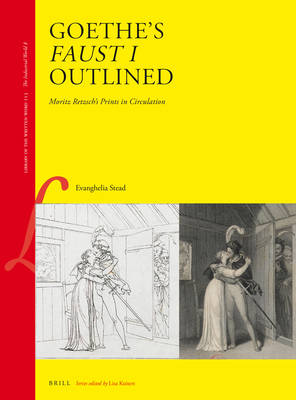
In a new approach to Goethe's Faust I, Evanghelia Stead extensively discusses Moritz Retzsch's twenty-six outline prints (1816) and how their spin-offs made the unfathomable play available to larger reader communities through copying and extensive distribution circuits, including bespoke gifts. The images amply transformed as they travelled throughout Europe and overseas, revealing differences between countries and cultures but also their pliability and resilience whenever remediated.
This interdisciplinary investigation evidences the importance of print culture throughout the nineteenth and early twentieth centuries in nations involved in competition and conflict. Retzsch's foundational set crucially engenders parody, and inspires the stage, literature, and three-dimensional objects, well beyond common perceptions of print culture's influence.
This book is available in open access thanks to an Institut Universitaire de France (IUF) grant.
This interdisciplinary investigation evidences the importance of print culture throughout the nineteenth and early twentieth centuries in nations involved in competition and conflict. Retzsch's foundational set crucially engenders parody, and inspires the stage, literature, and three-dimensional objects, well beyond common perceptions of print culture's influence.
This book is available in open access thanks to an Institut Universitaire de France (IUF) grant.
Specificaties
Betrokkenen
- Auteur(s):
- Uitgeverij:
Inhoud
- Aantal bladzijden:
- 480
- Taal:
- Engels
- Reeks:
- Reeksnummer:
- nr. 113
Eigenschappen
- Productcode (EAN):
- 9789004518551
- Verschijningsdatum:
- 10/08/2023
- Uitvoering:
- Hardcover
- Formaat:
- Genaaid


Alleen bij Standaard Boekhandel
+ 638 punten op je klantenkaart van Standaard Boekhandel
CADEAU


Beoordelingen
We publiceren alleen reviews die voldoen aan de voorwaarden voor reviews. Bekijk onze voorwaarden voor reviews.