


- Afhalen na 1 uur in een winkel met voorraad
- Gratis thuislevering in België vanaf € 30
- Ruim aanbod met 7 miljoen producten
- Afhalen na 1 uur in een winkel met voorraad
- Gratis thuislevering in België vanaf € 30
- Ruim aanbod met 7 miljoen producten





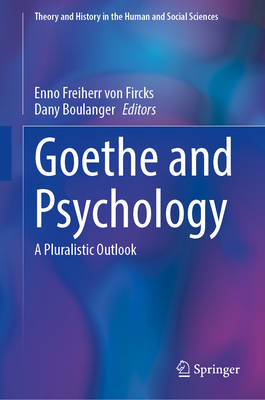
Goethe and Psychology
A Pluralistic Outlook
€ 171,45
+ 342 punten
Omschrijving
Goethe and Psychology: A Pluralistic Outlook explores the deep and often overlooked connections between Johann Wolfgang von Goethe's philosophical worldview and contemporary psychology. It argues that Goethe's holistic natural philosophy--particularly his rejection of a strict subject-object dichotomy--offers valuable insights for modern psychological research, particularly in fields such as phenomenology, cultural psychology, and psychography. The book is divided into multiple sections, addressing both applied and theoretical advancements in what could be termed "Goethian Psychology." It examines Goethe's contributions to fields beyond literature, including his work in color theory, natural sciences, and philosophical anthropology. Various authors discuss how Goethe's ideas can inform contemporary psychological research, whether through the development of alternative research protocols, analyses of his literary works through a psychological lens, or critiques of mainstream psychology's overreliance on quantification. This perspective is complemented by translated chapters from major psychologists and philosophers analyzing the work of Goethe - the majority of chapters having been unpublished in English (Jonas Cohn, Georg Simmel, Wilhelm Dilthey). The book ultimately advocates for a more pluralistic and interdisciplinary approach to psychology that integrates Goethe's legacy.
Specificaties
Betrokkenen
- Uitgeverij:
Inhoud
- Taal:
- Engels
- Reeks:
Eigenschappen
- Productcode (EAN):
- 9783032224842
- Verschijningsdatum:
- 17/06/2026
- Uitvoering:
- Hardcover
- Formaat:
- Genaaid
- Afmetingen:
- 155 mm x 235 mm

Alleen bij Standaard Boekhandel
+ 342 punten op je klantenkaart van Standaard Boekhandel

Beoordelingen
We publiceren alleen reviews die voldoen aan de voorwaarden voor reviews. Bekijk onze voorwaarden voor reviews.