


- Afhalen na 1 uur in een winkel met voorraad
- Gratis thuislevering in België vanaf € 30
- Ruim aanbod met 7 miljoen producten
- Afhalen na 1 uur in een winkel met voorraad
- Gratis thuislevering in België vanaf € 30
- Ruim aanbod met 7 miljoen producten





€ 84,80
+ 169 punten
Omschrijving
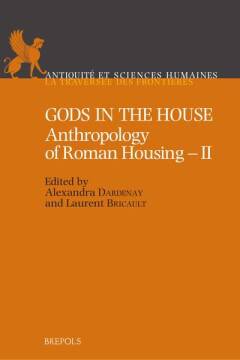
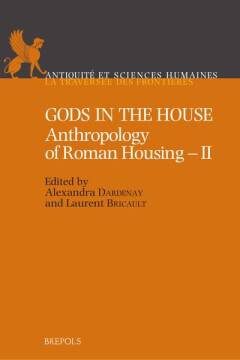
The archaeological excavations conducted from one end of the Mediterranean zone to the other have illuminated the place of gods in the ritual practices in the dwellings of the Greco-Roman era. The discovery of multiple artefacts, dedicated spaces, and figurative paintings support new avenues of historical, anthropological, and social reflection with the aim of better understanding domestic religious practices in the polytheistic contexts of antiquity. This monograph organizes those reflections around three axes. The first axis centres on identifying the deities that were favoured in domestic sanctuaries. Which gods are represented and which are not? The second axis concerns the interrelationships evident within domestic ritual spaces and sanctuaries. The third axis is dedicated to the anthropology of rituals. Lines of inquiry informed by anthropological, social, and phenomenological approaches are assuming ever-greater importance in the Sciences of Antiquity. It is from this perspective that the authors explore the role that domestic ritual spaces play in shaping the lived environment.
Specificaties
Betrokkenen
- Auteur(s):
- Uitgeverij:
Inhoud
- Aantal bladzijden:
- 368
- Taal:
- Frans
- Reeks:
- Reeksnummer:
- nr. 9
Eigenschappen
- Productcode (EAN):
- 9782503601694
- Verschijningsdatum:
- 14/04/2023
- Uitvoering:
- Paperback
- Formaat:
- Trade paperback (VS)
- Gewicht:
- 8205 g


Alleen bij Standaard Boekhandel
+ 169 punten op je klantenkaart van Standaard Boekhandel
CADEAU

AANGERADEN


Beoordelingen
We publiceren alleen reviews die voldoen aan de voorwaarden voor reviews. Bekijk onze voorwaarden voor reviews.