


- Afhalen na 1 uur in een winkel met voorraad
- Gratis thuislevering in België vanaf € 30
- Ruim aanbod met 7 miljoen producten
- Afhalen na 1 uur in een winkel met voorraad
- Gratis thuislevering in België vanaf € 30
- Ruim aanbod met 7 miljoen producten





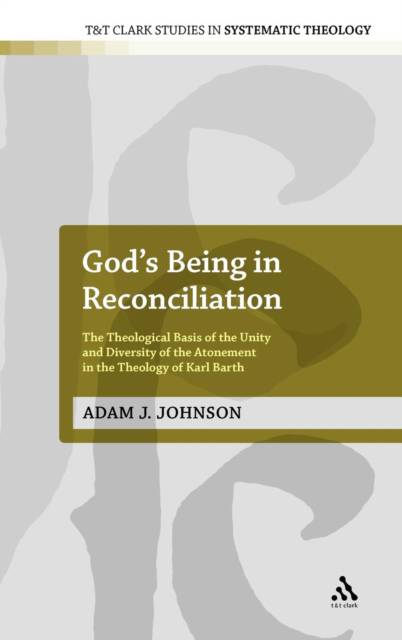
God's Being in Reconciliation
The Theological Basis of the Unity and Diversity of the Atonement in the Theology of Karl Barth
Adam J Johnson
€ 339,45
+ 678 punten
Uitvoering
Omschrijving
One of the most pressing issues in the doctrine of the atonement today is the question of the unity and diversity of the work of Christ. What are we to make of the diversity within the biblical witness and the history of doctrine when it comes to explanations of the meaning and significance of Jesus' death and resurrection? Without a grasp of the unity of his work, our understanding and use of the diversity runs the risk of becoming haphazard and disordered. Proposals regarding the unity of Christ's work today tend to focus on the metaphorical nature of language, the role of culture, and various possible conceptual schemes, rarely reflecting on unity and diversity proper to the being God. To fill this gap, Johnson draws on Karl Barth's integrated account of the doctrines of God and reconciliation, harnessing the resources contained within the doctrines of the Trinity and divine perfections to energize a properly theological account of the unity and diversity of the atonement.
Specificaties
Betrokkenen
- Auteur(s):
- Uitgeverij:
Inhoud
- Aantal bladzijden:
- 240
- Taal:
- Engels
- Reeks:
- Reeksnummer:
- nr. 15
Eigenschappen
- Productcode (EAN):
- 9780567638335
- Verschijningsdatum:
- 3/05/2012
- Uitvoering:
- Hardcover
- Formaat:
- Genaaid
- Afmetingen:
- 156 mm x 234 mm
- Gewicht:
- 512 g


Alleen bij Standaard Boekhandel
+ 678 punten op je klantenkaart van Standaard Boekhandel
CADEAU

AANGERADEN


Beoordelingen
We publiceren alleen reviews die voldoen aan de voorwaarden voor reviews. Bekijk onze voorwaarden voor reviews.