



Bedankt voor het vertrouwen het afgelopen jaar! Om jou te bedanken bieden we GRATIS verzending (in België) aan op alles gedurende de hele maand januari.
- Afhalen na 1 uur in een winkel met voorraad
- In januari gratis thuislevering in België
- Ruim aanbod met 7 miljoen producten
Bedankt voor het vertrouwen het afgelopen jaar! Om jou te bedanken bieden we GRATIS verzending (in België) aan op alles gedurende de hele maand januari.
- Afhalen na 1 uur in een winkel met voorraad
- In januari gratis thuislevering in België
- Ruim aanbod met 7 miljoen producten





€ 161,45
+ 322 punten
Uitvoering
Omschrijving
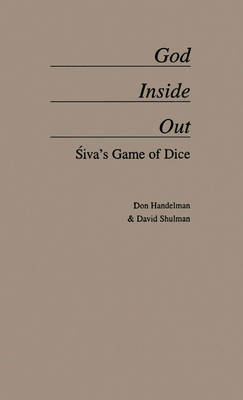
This book offers a new exploration of the mythology of the Hindu god Siva, who spends his time playing dice with his wife, to whom he habitually loses. The result of the game is our world, which turns the god inside-out and changes his internal composition. Hindus maintain that Siva is perpetually absorbed in this game, which is recreated in innumerable stories, poems, paintings, and sculptural carvings. This notion of the god at play, arguee Handelman and Shulman, is one of the most central and expressive veins in the metaphysics elaborated through the centuries, in many idioms and modes, around the god.
The book comprises three interlocking essays; the first presents the dice-game proper, in the light of the texts and visual depictions the authors have collected. The second and third chapters take up two mythic "sequels" to the game. Based on their analysis of these sequels, the authors argue that notions of "asceticism" so frequently associated with Siva, with Yoga, and with Hindu religion are, in fact, foreign to Hinduism's inherent logic as reflected in Siva's game of dice. They suggest an alternative reading of this set of practices and ideas, providing startling new insights into Hindu mythology and the major poetic texts from the classical Sanskrit tradition.
The book comprises three interlocking essays; the first presents the dice-game proper, in the light of the texts and visual depictions the authors have collected. The second and third chapters take up two mythic "sequels" to the game. Based on their analysis of these sequels, the authors argue that notions of "asceticism" so frequently associated with Siva, with Yoga, and with Hindu religion are, in fact, foreign to Hinduism's inherent logic as reflected in Siva's game of dice. They suggest an alternative reading of this set of practices and ideas, providing startling new insights into Hindu mythology and the major poetic texts from the classical Sanskrit tradition.
Specificaties
Betrokkenen
- Auteur(s):
- Uitgeverij:
Inhoud
- Aantal bladzijden:
- 232
- Taal:
- Engels
Eigenschappen
- Productcode (EAN):
- 9780195108446
- Verschijningsdatum:
- 19/06/1997
- Uitvoering:
- Hardcover
- Formaat:
- Genaaid
- Afmetingen:
- 148 mm x 224 mm
- Gewicht:
- 453 g


Alleen bij Standaard Boekhandel
+ 322 punten op je klantenkaart van Standaard Boekhandel
SOLDEN


Beoordelingen
We publiceren alleen reviews die voldoen aan de voorwaarden voor reviews. Bekijk onze voorwaarden voor reviews.