


- Afhalen na 1 uur in een winkel met voorraad
- Gratis thuislevering in België vanaf € 30
- Ruim aanbod met 7 miljoen producten
- Afhalen na 1 uur in een winkel met voorraad
- Gratis thuislevering in België vanaf € 30
- Ruim aanbod met 7 miljoen producten





€ 34,95
+ 69 punten
Uitvoering
Eenvoudig bestellen
Veilig betalen


Gratis thuislevering vanaf € 30 (via bpost)
Gratis levering in je Standaard Boekhandel
Omschrijving
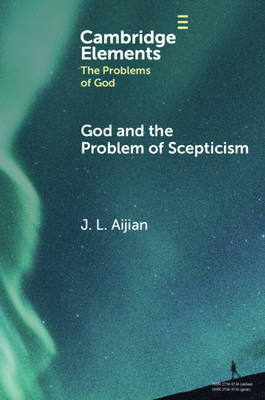
Contemporary debates about faith and scepticism are best understood by tracing the development of our current assumptions back to their historical roots. Scepticism, particularly in the west, has its foundation in Socrates' famous claim that his knowledge of his own ignorance made him the wisest of men. Socrates' intellectual humility was then translated into the Christian philosophical tradition, where it came into contact with the doctrines of divine revelation and original sin. This Element will select key historical figures to illustrate the impact that belief in God has had on how we assess the claims of scepticism, and on how scepticism impacts belief in God.
Specificaties
Betrokkenen
- Auteur(s):
- Uitgeverij:
Inhoud
- Aantal bladzijden:
- 66
- Taal:
- Engels
- Reeks:
Eigenschappen
- Productcode (EAN):
- 9781009709477
- Verschijningsdatum:
- 2/07/2026
- Uitvoering:
- Paperback
- Formaat:
- Trade paperback (VS)
- Afmetingen:
- 152 mm x 229 mm
- Gewicht:
- 99 g


Alleen bij Standaard Boekhandel
+ 69 punten op je klantenkaart van Standaard Boekhandel
CADEAU

AANGERADEN


Beoordelingen
We publiceren alleen reviews die voldoen aan de voorwaarden voor reviews. Bekijk onze voorwaarden voor reviews.