



Je cadeautjes zeker op tijd in huis hebben voor de feestdagen? Kom langs in onze winkels en vind het perfecte geschenk!
- Afhalen na 1 uur in een winkel met voorraad
- Gratis thuislevering in België vanaf € 30
- Ruim aanbod met 7 miljoen producten
Je cadeautjes zeker op tijd in huis hebben voor de feestdagen? Kom langs in onze winkels en vind het perfecte geschenk!
- Afhalen na 1 uur in een winkel met voorraad
- Gratis thuislevering in België vanaf € 30
- Ruim aanbod met 7 miljoen producten





€ 95,04
+ 190 punten
Uitvoering
Omschrijving
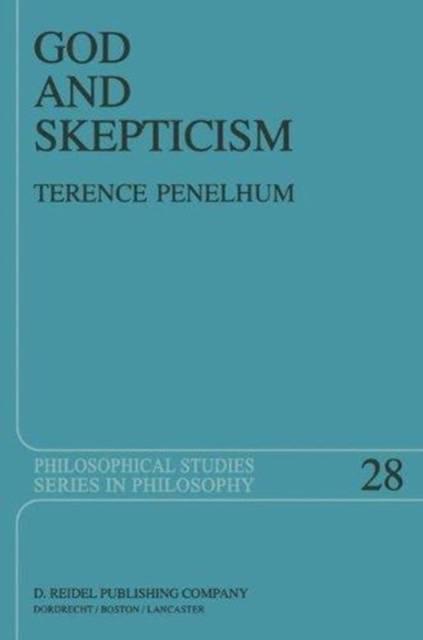
This book is an exercise in philosophical criticism. What I criticize are some variations on a recurrent theme in religious thought: the theme that faith and reason are so disparate that faith is not undermined, but strengthened, if we judge that reason can give it no support. The common name for this view is Fideism. Those representatives of it that I have chosen to discuss do more, however, than insist on keeping faith free of the alleged contaminations of philosophical argument. They consider the case for Fideism to be made even stronger if one judges that reason cannot give us truth or assurance outside the sphere of faith any more than within it. In other words, they sustain their Fideism by an appeal to Skepticism. I call them, therefore, Skeptical Fideists. Skeptical Fideism is not a mere historical curiosity. Richard Popkin has shown us how wide its impact in the formative period of modern philosophy has been; and its impact on modern theological and apologetic reasoning has been immense. In my view, anyone who wishes to assess many of the assump- tions current in the theologies of our time has to take account of it; I think, therefore, that there is a topical value in examining the figures whose views I discuss here - Erasmus, Montaigne, Bayle, and more importantly, Pascal and Kierkegaard.
Specificaties
Betrokkenen
- Auteur(s):
- Uitgeverij:
Inhoud
- Aantal bladzijden:
- 200
- Taal:
- Engels
- Reeks:
- Reeksnummer:
- nr. 28
Eigenschappen
- Productcode (EAN):
- 9789027715500
- Verschijningsdatum:
- 31/08/1983
- Uitvoering:
- Hardcover
- Formaat:
- Genaaid
- Gewicht:
- 399 g



Alleen bij Standaard Boekhandel
+ 190 punten op je klantenkaart van Standaard Boekhandel
CADEAU


Beoordelingen
We publiceren alleen reviews die voldoen aan de voorwaarden voor reviews. Bekijk onze voorwaarden voor reviews.