


- Afhalen na 1 uur in een winkel met voorraad
- Gratis thuislevering in België vanaf € 30
- Ruim aanbod met 7 miljoen producten
- Afhalen na 1 uur in een winkel met voorraad
- Gratis thuislevering in België vanaf € 30
- Ruim aanbod met 7 miljoen producten





€ 254,45
+ 508 punten
Uitvoering
Omschrijving
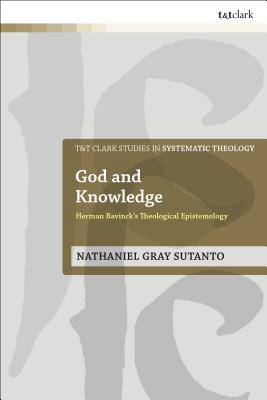
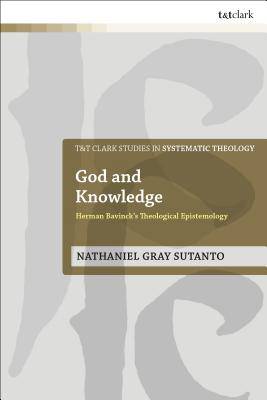
Nathaniel Gray Sutanto offers a fresh reading of Herman Bavinck's theological epistemology, and argues that his Trinitarian and organic worldview utilizes an extensive range of sources. Sutanto unfolds Bavinck's understanding of what he considered to be the two most important aspects of epistemology: the character of the sciences and the correspondence between subjects and objects. Writing at the heels of the European debates in the 19th and 20th century concerning theology's place in the academy, and rooted in historic Christian teachings, Sutanto demonstrates how Bavinck's argument remains fresh and provocative.
This volume explores archival material and peripheral works translated for the first time in English. The author re-reads several key concepts, ranging from Organicism to the Absolute, and relates Bavinck's work to Thomas Aquinas, Eduard von Hartmann, and other thinkers. Sutanto applies this reading to current debates on the relationship between theology and philosophy, nature and grace, and the nature of knowing; and in doing so provides students and scholars with fresh methods of considering Orthodox and modern forms of thought, and their connection with each other.Specificaties
Betrokkenen
- Auteur(s):
- Uitgeverij:
Inhoud
- Aantal bladzijden:
- 208
- Taal:
- Engels
- Reeks:
- Reeksnummer:
- nr. 35
Eigenschappen
- Productcode (EAN):
- 9780567692283
- Verschijningsdatum:
- 20/02/2020
- Uitvoering:
- Hardcover
- Formaat:
- Genaaid
- Afmetingen:
- 156 mm x 234 mm
- Gewicht:
- 467 g


Alleen bij Standaard Boekhandel
+ 508 punten op je klantenkaart van Standaard Boekhandel
Cadeau

AANGERADEN


Beoordelingen
We publiceren alleen reviews die voldoen aan de voorwaarden voor reviews. Bekijk onze voorwaarden voor reviews.