


- Afhalen na 1 uur in een winkel met voorraad
- Gratis thuislevering in België vanaf € 30
- Ruim aanbod met 7 miljoen producten
- Afhalen na 1 uur in een winkel met voorraad
- Gratis thuislevering in België vanaf € 30
- Ruim aanbod met 7 miljoen producten





€ 14,78
+ 14 punten
Uitvoering
Omschrijving
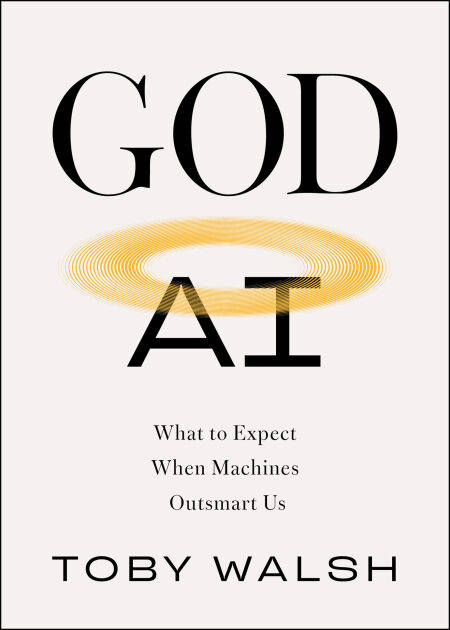
At the dawn of a new era of artificial intelligence, will we see an age of prosperity, or are we sowing the seeds of our own destruction . . .
For decades, some theoretical scientists have suggested that artificial intelligence will lead to the extinction of a humanity made obsolete. We can already see the beginnings of this, they claim, as human jobs are lost to computer automation.
For some of those people, it's become fashionable to stockpile supplies in underground bunkers in anticipation of "the singularity" — the point at which the development of artificial intelligence will outpace our capacity to control it.
Other, more optimistic experts suggest that, properly regulated, AI will be a great boon to science, dramatically increasing the efficiency of scientific research and medical treatment. Researchers at MIT, for example, have used a deep learning model to identify a chemical compound to treat E. Coli infections. Likewise, the 2024 Nobel Prize in Chemistry was awarded to the developers of Google DeepMind for devising a system to map proteins much more quickly than humans could before.
Toby Walsh, a leading researcher of AI at the University of New South Wales has monitored the development and influence of artificial intelligence since before most people had a computer in their home. Looking back over the history of its development, he lays out the ways in which we use this technology, the history of its evolution, and what we can do to navigate it going forward.
For decades, some theoretical scientists have suggested that artificial intelligence will lead to the extinction of a humanity made obsolete. We can already see the beginnings of this, they claim, as human jobs are lost to computer automation.
For some of those people, it's become fashionable to stockpile supplies in underground bunkers in anticipation of "the singularity" — the point at which the development of artificial intelligence will outpace our capacity to control it.
Other, more optimistic experts suggest that, properly regulated, AI will be a great boon to science, dramatically increasing the efficiency of scientific research and medical treatment. Researchers at MIT, for example, have used a deep learning model to identify a chemical compound to treat E. Coli infections. Likewise, the 2024 Nobel Prize in Chemistry was awarded to the developers of Google DeepMind for devising a system to map proteins much more quickly than humans could before.
Toby Walsh, a leading researcher of AI at the University of New South Wales has monitored the development and influence of artificial intelligence since before most people had a computer in their home. Looking back over the history of its development, he lays out the ways in which we use this technology, the history of its evolution, and what we can do to navigate it going forward.
Specificaties
Betrokkenen
- Auteur(s):
- Uitgeverij:
Inhoud
- Aantal bladzijden:
- 160
- Taal:
- Engels
Eigenschappen
- Productcode (EAN):
- 9781685893026
- Verschijningsdatum:
- 30/11/2026
- Uitvoering:
- E-book
- Beveiligd met:
- Adobe DRM
- Formaat:
- ePub


Alleen bij Standaard Boekhandel
+ 14 punten op je klantenkaart van Standaard Boekhandel
Cadeau

AANGERADEN


Beoordelingen
We publiceren alleen reviews die voldoen aan de voorwaarden voor reviews. Bekijk onze voorwaarden voor reviews.