


- Afhalen na 1 uur in een winkel met voorraad
- Gratis thuislevering in België vanaf € 30
- Ruim aanbod met 7 miljoen producten
- Afhalen na 1 uur in een winkel met voorraad
- Gratis thuislevering in België vanaf € 30
- Ruim aanbod met 7 miljoen producten





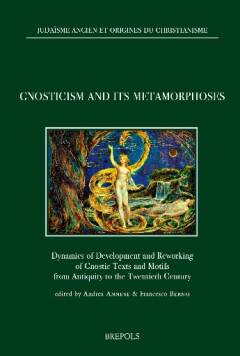
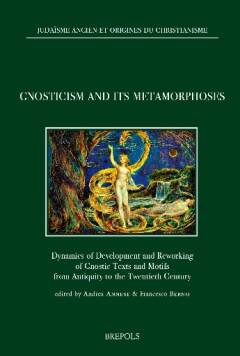
Gnosticism and Its Metamorphoses
Dynamics of Development and Reworking of Gnostic Texts and Motifs from Antiquity to the Twentieth Century
Andrea Annese
€ 84,80
+ 169 punten
Omschrijving
The complex and multifaceted religious phenomenon called Gnosticism (a heuristic category) continues to fascinate both specialists and the wider audience. This volume explores the "metamorphoses" of Gnosticism, through the analysis of selected examples. Late antique Gnostic groups and schools of thought developed and even changed their ideas when interacting with other religious groups and with various sources. Confrontation and polemics with the so-called "Great Church" and with other Christian groups were crucial to doctrinal elaboration (of all parties involved). On a different side, one can trace the metamorphoses of Gnostic ideas through the centuries, as these ideas influenced, and were reinterpreted by, other religious and cultural traditions and currents, from Manichaeism to medieval dualistic movements, modern esotericism, and even contemporary literature. The essays gathered in this volume focus on two main topics, namely how ancient Gnostic groups developed their doctrines by interpreting and reworking their wide range of sources (Jewish, early Christian, Platonic ones, etc.), and how ancient Gnostic ideas and motifs survived - with new forms - in later philosophical, religious, and literary works, up to the twentieth century. The volume consists of three sections, the first being dedicated to early anti-Gnostic controversy in texts embedding Jewish-Christian and Petrine traditions and using Gnostic motifs for polemical purposes; the second to some treatises from the Nag Hammadi corpus and other Gnostic manuscripts (plus Epiphanius' Panarion) so as to provide fresh insights into late antique Gnostic texts and groups; and the third to three case studies of the modern reception and reworking of Gnostic writings and ideas.
Specificaties
Betrokkenen
- Auteur(s):
- Uitgeverij:
Inhoud
- Aantal bladzijden:
- 252
- Taal:
- Engels
- Reeks:
- Reeksnummer:
- nr. 34
Eigenschappen
- Productcode (EAN):
- 9782503616995
- Verschijningsdatum:
- 18/09/2025
- Uitvoering:
- Paperback
- Formaat:
- Trade paperback (VS)
- Gewicht:
- 1242 g


Alleen bij Standaard Boekhandel
+ 169 punten op je klantenkaart van Standaard Boekhandel
Cadeau

AANGERADEN


Beoordelingen
We publiceren alleen reviews die voldoen aan de voorwaarden voor reviews. Bekijk onze voorwaarden voor reviews.