



Je cadeautjes zeker op tijd in huis hebben voor de feestdagen? Kom langs in onze winkels en vind het perfecte geschenk!
- Afhalen na 1 uur in een winkel met voorraad
- Gratis thuislevering in België vanaf € 30
- Ruim aanbod met 7 miljoen producten
Je cadeautjes zeker op tijd in huis hebben voor de feestdagen? Kom langs in onze winkels en vind het perfecte geschenk!
- Afhalen na 1 uur in een winkel met voorraad
- Gratis thuislevering in België vanaf € 30
- Ruim aanbod met 7 miljoen producten





Omschrijving
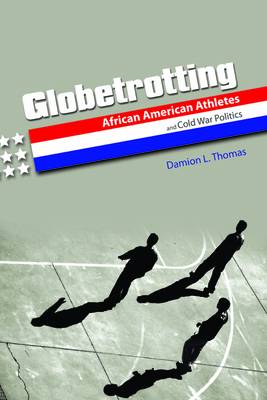
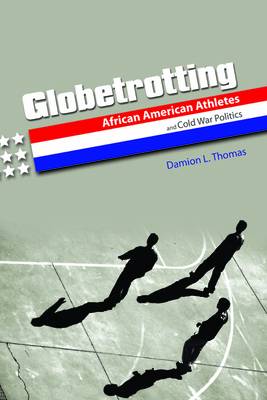
Throughout the Cold War, the Soviet Union deplored the treatment of African Americans by the U.S. government as proof of hypocrisy in the American promises of freedom and equality. This probing history examines government attempts to manipulate international perceptions of U.S. race relations during the Cold War by sending African American athletes abroad on goodwill tours and in international competitions as cultural ambassadors and visible symbols of American values. Damion L. Thomas follows the State Department's efforts from 1945 to 1968 to showcase prosperous African American athletes including Jackie Robinson, Jesse Owens, and the Harlem Globetrotters as the preeminent citizens of the African Diaspora, rather than as victims of racial oppression. With athletes in baseball, track and field, and basketball, the government relied on figures whose fame carried the desired message to countries where English was little understood. However, eventually African American athletes began to provide counter-narratives to State Department claims of American exceptionalism, most notably with Tommie Smith and John Carlos's famous black power salute at the 1968 Mexico City Olympics. Exploring the geopolitical significance of racial integration in sports during the early days of the Cold War, this book looks at the Eisenhower and Kennedy administrations' attempts to utilize sport to overcome hostile international responses to the violent repression of the civil rights movement in the United States. Highlighting how African American athletes responded to significant milestones in American racial justice such as the 1954 Brown v. Board of Education decision and the passage of the 1964 Civil Rights Act, Thomas surveys the shifting political landscape during this period as African American athletes increasingly resisted being used in State Department propaganda and began to use sports to challenge continued oppression.
Specificaties
Betrokkenen
- Auteur(s):
- Uitgeverij:
Inhoud
- Aantal bladzijden:
- 232
- Taal:
- Engels
- Reeks:
Eigenschappen
- Productcode (EAN):
- 9780252037177
- Verschijningsdatum:
- 24/09/2012
- Uitvoering:
- Hardcover
- Formaat:
- Ongenaaid / garenloos gebonden
- Afmetingen:
- 163 mm x 231 mm
- Gewicht:
- 476 g


Alleen bij Standaard Boekhandel
+ 136 punten op je klantenkaart van Standaard Boekhandel
CADEAU


Beoordelingen
We publiceren alleen reviews die voldoen aan de voorwaarden voor reviews. Bekijk onze voorwaarden voor reviews.