


- Afhalen na 1 uur in een winkel met voorraad
- Gratis thuislevering in België vanaf € 30
- Ruim aanbod met 7 miljoen producten
- Afhalen na 1 uur in een winkel met voorraad
- Gratis thuislevering in België vanaf € 30
- Ruim aanbod met 7 miljoen producten





€ 160,45
+ 320 punten
Uitvoering
Omschrijving
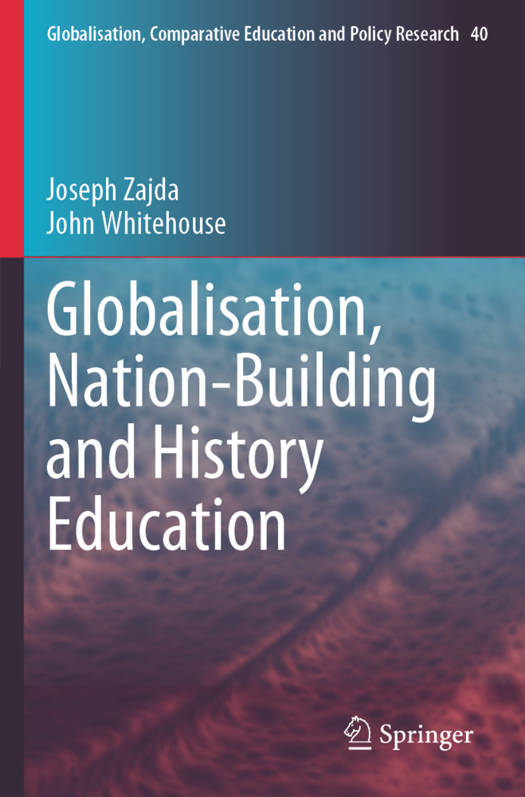
This book uses historiography and discourse analysis to provide a new insight into understanding the nexus between ideologies, the state, and nation-building-as depicted in history school textbooks. It focuses on the interpretation of social and political change, significant events, and examining possible new biases and omissions in school textbooks. The 'Europeanization' of history textbooks in the EU is an example of western-dominated Grand Narrative of pluralist democracy, multiculturalism, and human rights, according to the canon of a particularly European dimension. Various public debates in the USA, China, the Russian Federation (RF), Japan, and elsewhere, dealing with understandings of a nation-building, national identity, and history education point out to parallels between the political significance of school history and the history education debates globally.
The book demonstrates that the issue of national identity and balanced representations of the past continue to dominate the debate surrounding the goals, dominant ideologies and content of history textbooks, and historical narratives. It concludes that competing discourses and ideologies will continue to define and shape the nature and significance of historical knowledge, ideologies and the direction of values education in history textbooks. This book provides an easily accessible, practical, yet scholarly insights into local and global trends in the field of history education, and should be required reading for a broad spectrum of users, including policy-makers, academics, graduate students, education policy researchers, administrators, and practitioners.
The book demonstrates that the issue of national identity and balanced representations of the past continue to dominate the debate surrounding the goals, dominant ideologies and content of history textbooks, and historical narratives. It concludes that competing discourses and ideologies will continue to define and shape the nature and significance of historical knowledge, ideologies and the direction of values education in history textbooks. This book provides an easily accessible, practical, yet scholarly insights into local and global trends in the field of history education, and should be required reading for a broad spectrum of users, including policy-makers, academics, graduate students, education policy researchers, administrators, and practitioners.
Specificaties
Betrokkenen
- Auteur(s):
- Uitgeverij:
Inhoud
- Aantal bladzijden:
- 158
- Taal:
- Engels
- Reeks:
- Reeksnummer:
- nr. 40
Eigenschappen
- Productcode (EAN):
- 9783031448157
- Verschijningsdatum:
- 20/03/2025
- Uitvoering:
- Paperback
- Afmetingen:
- 155 mm x 10 mm
- Gewicht:
- 277 g


Alleen bij Standaard Boekhandel
+ 320 punten op je klantenkaart van Standaard Boekhandel

Beoordelingen
We publiceren alleen reviews die voldoen aan de voorwaarden voor reviews. Bekijk onze voorwaarden voor reviews.