


- Afhalen na 1 uur in een winkel met voorraad
- Gratis thuislevering in België vanaf € 30
- Ruim aanbod met 7 miljoen producten
- Afhalen na 1 uur in een winkel met voorraad
- Gratis thuislevering in België vanaf € 30
- Ruim aanbod met 7 miljoen producten





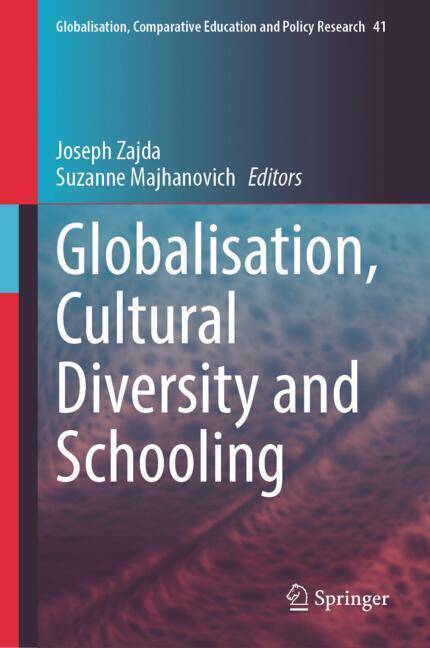
Globalisation, Cultural Diversity and Schooling
€ 171,45
+ 342 punten
Omschrijving
This book analyses dominant discourses of globalisation, cultural diversity and schooling. The collection in this volume advance further the discussions on the phenomenon of globalisation, and its far-reaching effects on our world, and consider cultural diversity in its broadest sense, as it manifests itself in a globalised world. Zajda has argued that globalisation represents a synthesis of technology, ideology and organisation, specifically related to border crossings of people, global finance and trade, IT convergence as well as cross-cultural communication. The reality of cultural diversity has been brought into stronger focus because of globalisation. Cultural diversity, always present in society is more evident today because of globalisation. The ways society copes with cultural diversity have changed such that the embrace of cultural diversity as part of identity is encouraged in liberal democracies. Cultural diversity, as presented in this volume is seen in a broad contextand includes factors such as race, ethnicity, gender, sexual orientations, socio-economic status, culture, age, and physical ability as well as a variety of beliefs and values.
The book contributes in a very scholarly way, to a more holistic understanding of the nexus between globalisation, cultural diversity, democracy, and equality for all.
The book contributes in a very scholarly way, to a more holistic understanding of the nexus between globalisation, cultural diversity, democracy, and equality for all.
Specificaties
Betrokkenen
- Uitgeverij:
Inhoud
- Aantal bladzijden:
- 189
- Taal:
- Engels
- Reeks:
- Reeksnummer:
- nr. 41
Eigenschappen
- Productcode (EAN):
- 9783031532184
- Verschijningsdatum:
- 23/05/2024
- Uitvoering:
- Hardcover
- Formaat:
- Genaaid
- Afmetingen:
- 156 mm x 234 mm
- Gewicht:
- 476 g

Alleen bij Standaard Boekhandel
+ 342 punten op je klantenkaart van Standaard Boekhandel

Beoordelingen
We publiceren alleen reviews die voldoen aan de voorwaarden voor reviews. Bekijk onze voorwaarden voor reviews.