


- Afhalen na 1 uur in een winkel met voorraad
- Gratis thuislevering in België vanaf € 30
- Ruim aanbod met 7 miljoen producten
- Afhalen na 1 uur in een winkel met voorraad
- Gratis thuislevering in België vanaf € 30
- Ruim aanbod met 7 miljoen producten





€ 45,95
+ 91 punten
Uitvoering
Omschrijving
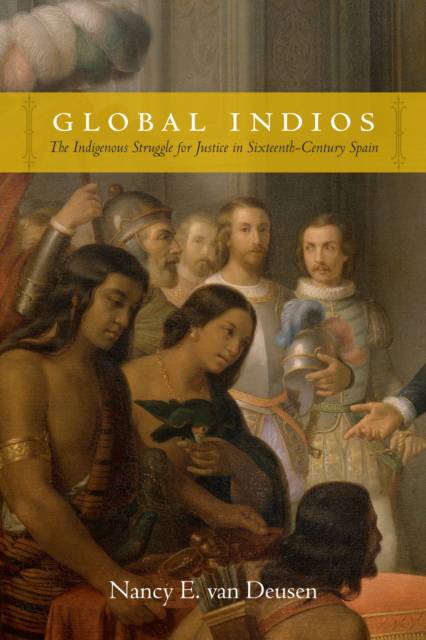
In the sixteenth century hundreds of thousands of indios--indigenous peoples from the territories of the Spanish empire--were enslaved and relocated throughout the Iberian world. Although various laws and decrees outlawed indio enslavement, several loopholes allowed the practice to continue. In Global Indios Nancy E. van Deusen documents the more than one hundred lawsuits between 1530 and 1585 that indio slaves living in Castile brought to the Spanish courts to secure their freedom. Because plaintiffs had to prove their indio-ness in a Spanish imperial context, these lawsuits reveal the difficulties of determining who was an indio and who was not--especially since it was an all-encompassing construct connoting subservience and political personhood and at times could refer to people from Mexico, Peru, or South or East Asia. Van Deusen demonstrates that the categories of free and slave were often not easily defined, and she forces a rethinking of the meaning of indio in ways that emphasize the need to situate colonial Spanish American indigenous subjects in a global context.
Specificaties
Betrokkenen
- Auteur(s):
- Uitgeverij:
Inhoud
- Aantal bladzijden:
- 352
- Taal:
- Engels
- Reeks:
Eigenschappen
- Productcode (EAN):
- 9780822358589
- Verschijningsdatum:
- 4/05/2015
- Uitvoering:
- Paperback
- Formaat:
- Trade paperback (VS)
- Afmetingen:
- 152 mm x 231 mm
- Gewicht:
- 453 g


Alleen bij Standaard Boekhandel
+ 91 punten op je klantenkaart van Standaard Boekhandel
Cadeau

AANGERADEN


Beoordelingen
We publiceren alleen reviews die voldoen aan de voorwaarden voor reviews. Bekijk onze voorwaarden voor reviews.