


- Afhalen na 1 uur in een winkel met voorraad
- Gratis thuislevering in België vanaf € 30
- Ruim aanbod met 7 miljoen producten
- Afhalen na 1 uur in een winkel met voorraad
- Gratis thuislevering in België vanaf € 30
- Ruim aanbod met 7 miljoen producten





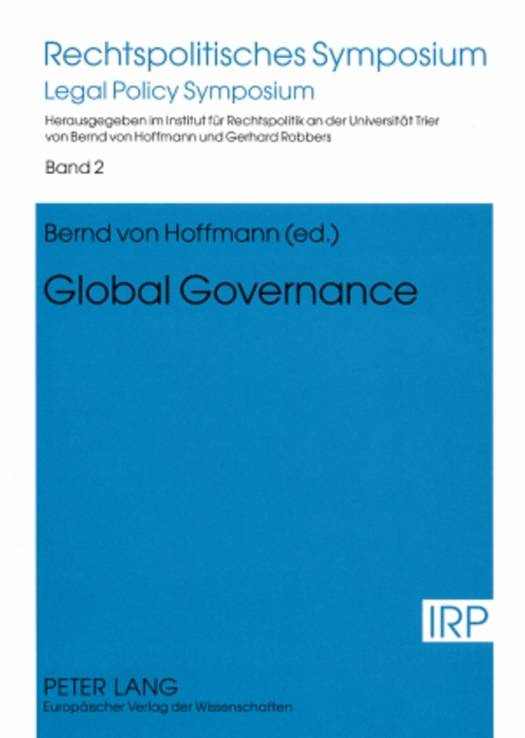
Global Governance
Reports and Discussions of a Symposium Held in Trier on October 9 Th and 10 Th, 2003
€ 77,95
+ 155 punten
Omschrijving
While stopping globalisation no longer seems to be a valid option, the task of shaping it has gained priority. But who can effectuate good global governance? The ability of international institutions to provide reliable international structures seems challenged by the recent developments in international politics. What are the implications of the war in Iraq for international law and future global policy? How can governmental and non-governmental actors frame global governance? And what are the prospects of global development policy? These complex questions can only be addressed effectively in an interdisciplinary forum. On October 9th and 10th, 2003, the Institute for Legal Policy at the University of Trier invited notable experts from the disciplines of law, political and economic science to discuss and reflect on these issues. This volume embodies the results of that interdisciplinary workshop on global governance.
Specificaties
Betrokkenen
- Uitgeverij:
Inhoud
- Aantal bladzijden:
- 200
- Taal:
- Engels
- Reeks:
- Reeksnummer:
- nr. 2
Eigenschappen
- Productcode (EAN):
- 9783631527702
- Verschijningsdatum:
- 24/05/2004
- Uitvoering:
- Paperback
- Formaat:
- Trade paperback (VS)
- Afmetingen:
- 148 mm x 210 mm
- Gewicht:
- 279 g

Alleen bij Standaard Boekhandel
+ 155 punten op je klantenkaart van Standaard Boekhandel
Cadeau

AANGERADEN


Beoordelingen
We publiceren alleen reviews die voldoen aan de voorwaarden voor reviews. Bekijk onze voorwaarden voor reviews.