


- Afhalen na 1 uur in een winkel met voorraad
- Gratis thuislevering in België vanaf € 30
- Ruim aanbod met 7 miljoen producten
- Afhalen na 1 uur in een winkel met voorraad
- Gratis thuislevering in België vanaf € 30
- Ruim aanbod met 7 miljoen producten





€ 79,95
+ 159 punten
Omschrijving
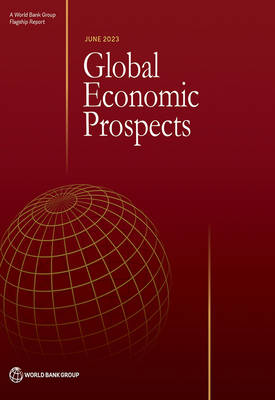
Global growth is projected to slow significantly in the second half of this year, with weakness continuing in 2024. Inflation pressures persist, and tight monetary policy is expected to weigh substantially on activity. The possibility of more widespread bank turmoil and tighter monetary policy could result in even weaker global growth. Rising borrowing costs in advanced economies could lead to financial dislocations in the more vulnerable emerging market and developing economies (EMDEs). In low-income countries, in particular, fiscal positions are increasingly precarious. Comprehensive policy action is needed at the global and national levels to foster macroeconomic and financial stability. Among many EMDEs, and especially in low-income countries, bolstering fiscal sustainability will require generating higher revenues, making spending more efficient, and improving debt management practices. Continued international cooperation is also necessary to tackle climate change, support populations affected by crises and hunger, and provide debt relief where needed. In the longer term, reversing a projected decline in EMDE potential growth will require reforms to bolster physical and human capital and labor-supply growth.
Specificaties
Betrokkenen
- Auteur(s):
- Uitgeverij:
Inhoud
- Aantal bladzijden:
- 182
- Taal:
- Engels
- Reeks:
Eigenschappen
- Productcode (EAN):
- 9781464819513
- Verschijningsdatum:
- 27/06/2023
- Uitvoering:
- Paperback
- Formaat:
- Trade paperback (VS)
- Afmetingen:
- 216 mm x 279 mm
- Gewicht:
- 435 g


Alleen bij Standaard Boekhandel
+ 159 punten op je klantenkaart van Standaard Boekhandel
Cadeau

AANGERADEN


Beoordelingen
We publiceren alleen reviews die voldoen aan de voorwaarden voor reviews. Bekijk onze voorwaarden voor reviews.