


- Afhalen na 1 uur in een winkel met voorraad
- Gratis thuislevering in België vanaf € 30
- Ruim aanbod met 7 miljoen producten
- Afhalen na 1 uur in een winkel met voorraad
- Gratis thuislevering in België vanaf € 30
- Ruim aanbod met 7 miljoen producten





€ 111,45
+ 222 punten
Uitvoering
Omschrijving
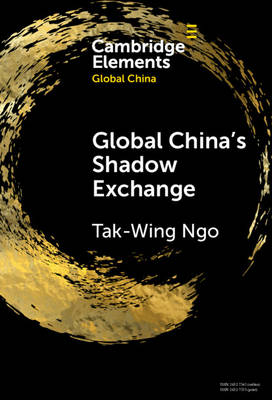
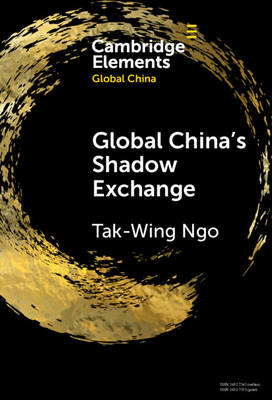
This Element shows China has assumed a historical role in shaping a new turn in globalization. It has assertively engaged in the open globalizing process through its Belt and Road Initiative as well as in the clandestine process through its shadow networks. These networks have incorporated millions of common people who are unwitting agents of transnational exchange in a global shadow economy. In contrast to the neoliberal phase, the shadow turn in globalization is driven by a plurality of individual, corporate, and state actors with unique divisions of labour, hierarchies of control and domination, and modes of operation. By virtue of being a nodal centre for shadow operations, China is exerting its shadow power in regrouping global city networks, redefining global value chains, and reconfigurating state borders and power.
Specificaties
Betrokkenen
- Auteur(s):
- Uitgeverij:
Inhoud
- Aantal bladzijden:
- 90
- Taal:
- Engels
- Reeks:
Eigenschappen
- Productcode (EAN):
- 9781009486880
- Verschijningsdatum:
- 1/02/2024
- Uitvoering:
- Hardcover
- Formaat:
- Genaaid
- Afmetingen:
- 152 mm x 229 mm
- Gewicht:
- 290 g


Alleen bij Standaard Boekhandel
+ 222 punten op je klantenkaart van Standaard Boekhandel
Cadeau

AANGERADEN


Beoordelingen
We publiceren alleen reviews die voldoen aan de voorwaarden voor reviews. Bekijk onze voorwaarden voor reviews.