


- Afhalen na 1 uur in een winkel met voorraad
- Gratis thuislevering in België vanaf € 30
- Ruim aanbod met 7 miljoen producten
- Afhalen na 1 uur in een winkel met voorraad
- Gratis thuislevering in België vanaf € 30
- Ruim aanbod met 7 miljoen producten





€ 25,45
+ 50 punten
Omschrijving
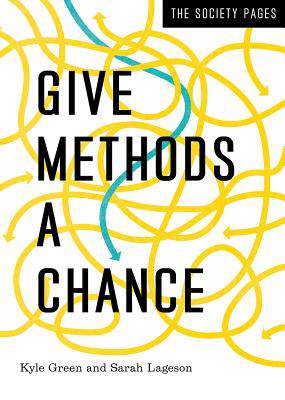
Give Methods a Chance offers a unique multimedia introduction to research methods. This volume, which builds on podcast interviews available at TheSocietyPages.org, introduces readers to some of the most creative, exciting, and influential researchers in sociology. These stories from the field are designed to demystify the research process and show how methods are put into action. The text and complementary podcasts offer a distinctive, first-person window into how sociologists generate knowledge: the fun, the headaches, the workarounds, and the care and passion needed to get things right.
This volume is organized into four sections: Interpretive and Qualitative Methods, Explanatory and Quantitative Methods, Mixed Methods, and Innovations. The first section engages scholars who employ an array of qualitative approaches to better understand the social world. In the second section, Green and Lageson bring together scholars who use quantitative approaches to transform the social world into analyzable data sets. The third section highlights scholars who use multiple methods within a single study, often drawing on both quantitative and qualitative data, and employing elements of the exploratory, descriptive, interpretative, and explanatory. In the final section, the authors look at new and exciting methodological innovations with a group of scholars pushing the field forward, using new technologies to gather previously inaccessible data, examining new virtual communities and online spaces of communication, and employing methods from outside the discipline in creative ways. This straightforward organizational scheme will map seamlessly onto existing texts and syllabi in research methodology, introductory sociology, and capstone courses, while the content uniquely conveys the voices of researchers.
This volume is organized into four sections: Interpretive and Qualitative Methods, Explanatory and Quantitative Methods, Mixed Methods, and Innovations. The first section engages scholars who employ an array of qualitative approaches to better understand the social world. In the second section, Green and Lageson bring together scholars who use quantitative approaches to transform the social world into analyzable data sets. The third section highlights scholars who use multiple methods within a single study, often drawing on both quantitative and qualitative data, and employing elements of the exploratory, descriptive, interpretative, and explanatory. In the final section, the authors look at new and exciting methodological innovations with a group of scholars pushing the field forward, using new technologies to gather previously inaccessible data, examining new virtual communities and online spaces of communication, and employing methods from outside the discipline in creative ways. This straightforward organizational scheme will map seamlessly onto existing texts and syllabi in research methodology, introductory sociology, and capstone courses, while the content uniquely conveys the voices of researchers.
Specificaties
Betrokkenen
- Auteur(s):
- Uitgeverij:
Inhoud
- Aantal bladzijden:
- 224
- Taal:
- Engels
- Reeks:
Eigenschappen
- Productcode (EAN):
- 9781324000549
- Verschijningsdatum:
- 1/12/2017
- Uitvoering:
- Paperback
- Formaat:
- Trade paperback (VS)
- Afmetingen:
- 132 mm x 185 mm
- Gewicht:
- 235 g


Alleen bij Standaard Boekhandel
+ 50 punten op je klantenkaart van Standaard Boekhandel
Cadeau

AANGERADEN


Beoordelingen
We publiceren alleen reviews die voldoen aan de voorwaarden voor reviews. Bekijk onze voorwaarden voor reviews.