


- Afhalen na 1 uur in een winkel met voorraad
- Gratis thuislevering in België vanaf € 30
- Ruim aanbod met 7 miljoen producten
- Afhalen na 1 uur in een winkel met voorraad
- Gratis thuislevering in België vanaf € 30
- Ruim aanbod met 7 miljoen producten





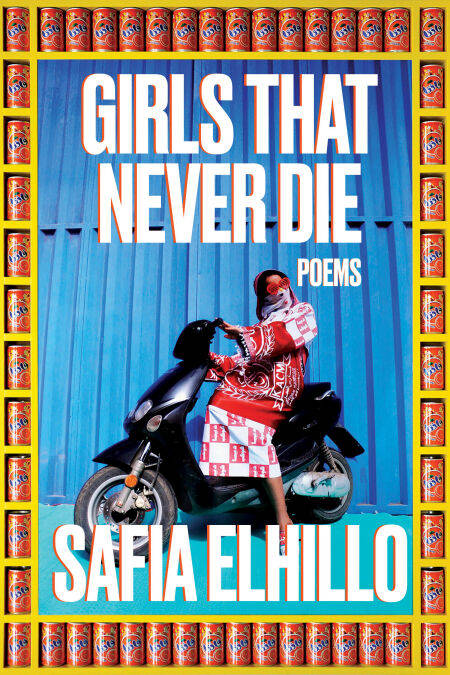
Omschrijving
NATIONAL BESTSELLER • Intimate poems that explore feminine shame and violence and imagine what liberation from these threats might look like, from the award-winning author of The January Children
“Incredibly moving . . . Every single poem is stellar.”—Roxane Gay, author of Difficult Women and Hunger
In Girls That Never Die, award-winning poet Safia Elhillo reinvents the epic to explore Muslim girlhood and shame, the dangers of being a woman, and the myriad violences enacted and imagined against women’s bodies. Drawing from her own life and family histories, as well as cultural myths and news stories about honor killings and genital mutilation, she interlaces the everyday traumas of growing up a girl under patriarchy with magical realist imaginings of rebellion, autonomy, and power.
Elhillo writes a new world: women escape their stonings by birds that carry the rocks away; slain girls grow into two, like the hydra of lore, sprouting too numerous to ever be eradicated; circles of women are deemed holy, protected. Ultimately, Girls That Never Die is about wrestling ourselves from the threats of violence that constrain our lives, and instead looking to freedom and questioning:
[what if i will not die]
[what will govern me then]
“Incredibly moving . . . Every single poem is stellar.”—Roxane Gay, author of Difficult Women and Hunger
In Girls That Never Die, award-winning poet Safia Elhillo reinvents the epic to explore Muslim girlhood and shame, the dangers of being a woman, and the myriad violences enacted and imagined against women’s bodies. Drawing from her own life and family histories, as well as cultural myths and news stories about honor killings and genital mutilation, she interlaces the everyday traumas of growing up a girl under patriarchy with magical realist imaginings of rebellion, autonomy, and power.
Elhillo writes a new world: women escape their stonings by birds that carry the rocks away; slain girls grow into two, like the hydra of lore, sprouting too numerous to ever be eradicated; circles of women are deemed holy, protected. Ultimately, Girls That Never Die is about wrestling ourselves from the threats of violence that constrain our lives, and instead looking to freedom and questioning:
[what if i will not die]
[what will govern me then]
Specificaties
Betrokkenen
- Auteur(s):
- Uitgeverij:
Inhoud
- Aantal bladzijden:
- 144
- Taal:
- Engels
Eigenschappen
- Productcode (EAN):
- 9780593229491
- Verschijningsdatum:
- 11/07/2022
- Uitvoering:
- E-book
- Beveiligd met:
- Adobe DRM
- Formaat:
- ePub


Alleen bij Standaard Boekhandel
+ 6 punten op je klantenkaart van Standaard Boekhandel
CADEAU


Beoordelingen
We publiceren alleen reviews die voldoen aan de voorwaarden voor reviews. Bekijk onze voorwaarden voor reviews.