


- Afhalen na 1 uur in een winkel met voorraad
- Gratis thuislevering in België vanaf € 30
- Ruim aanbod met 7 miljoen producten
- Afhalen na 1 uur in een winkel met voorraad
- Gratis thuislevering in België vanaf € 30
- Ruim aanbod met 7 miljoen producten




Omschrijving
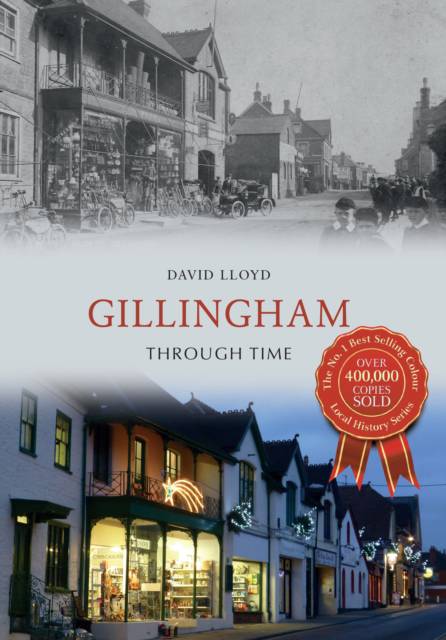
Gillingham Forest provided a hunting lodge for the Angevin Kings, notably King John. In the 1820s, the artist John Constable stayed at Gillingham vicarage and, being impressed by the beauty of the countryside, executed several local sketches and paintings. The railway arrived in 1859; farm produce could now be transported to London and new industries sprang up, taking advantage of the improved transport facilities. There was an upturn in population and the town expanded with many buildings of distinctive orange-red brick from the new brickyard. Despite the decline of industries in the 1960s and '70s, the 1990s brought a relief road, new library and museum, new supermarkets, new housing developments and an expansion to change the face of Gillingham again. In recent years, Gillingham has been known as the fastest growing town in the South West. From the Square to Kings Court, from farms to the railway, from the brewery to the brickyard, Gillingham Through Time invites you to reminisce through photographs and illustrations of this growing Dorset town.
Specificaties
Betrokkenen
- Auteur(s):
- Uitgeverij:
Inhoud
- Aantal bladzijden:
- 96
- Taal:
- Engels
- Reeks:
Eigenschappen
- Productcode (EAN):
- 9781445617770
- Verschijningsdatum:
- 15/07/2014
- Uitvoering:
- Paperback
- Formaat:
- Trade paperback (VS)
- Afmetingen:
- 165 mm x 234 mm
- Gewicht:
- 310 g


Alleen bij Standaard Boekhandel
+ 44 punten op je klantenkaart van Standaard Boekhandel

Beoordelingen
We publiceren alleen reviews die voldoen aan de voorwaarden voor reviews. Bekijk onze voorwaarden voor reviews.