


- Afhalen na 1 uur in een winkel met voorraad
- Gratis thuislevering in België vanaf € 30
- Ruim aanbod met 7 miljoen producten
- Afhalen na 1 uur in een winkel met voorraad
- Gratis thuislevering in België vanaf € 30
- Ruim aanbod met 7 miljoen producten





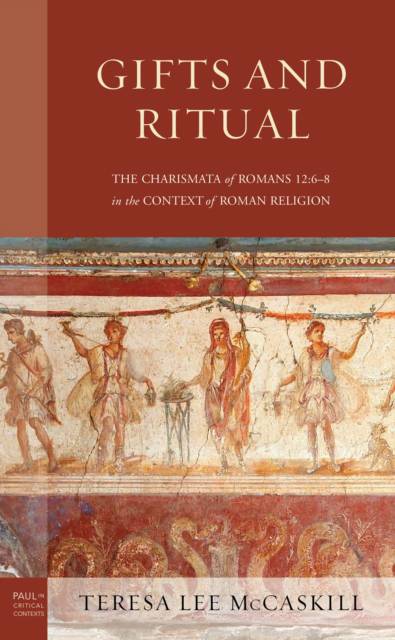
Gifts and Ritual
The Charismata of Romans 12: 6-8 in the Context of Roman Religion
Teresa Lee McCaskill
€ 186,95
+ 373 punten
Omschrijving
Paul's teaching about divine benefactions in Rom 12:6-8 extends the theme of worship that he establishes in Rom 12:1-2. Together, these passages address a uniquely gentile dilemma that many in his audience faced as new Christ-followers, which was the challenge of finding acceptable replacements for former cultic activities that were woven through all of life's stages, from birth to death. One of the chief shortcomings of the scholars that have written about Rom 12:6-8 is a failure to address what Paul's gentile audience might have brought to his teaching and how his alignment of gifts with ritual (Rom 12:1-2) mirrored their polytheistic background. By analyzing examples from ancient texts and artifacts, Teresa Lee McCaskill shows that all seven of the terms Paul uses in Rom 12:6-8 would have had recognizable cultic antecedents for first-century worshipers in Rome. McCaskill presents a theoretical model that discusses how Paul's gentile audience might have viewed the charismata and considered them as examples of sanctioned practices to replace former rituals. She also weighs the effectiveness of these particular gifts for furthering Paul's missional objectives.
Specificaties
Betrokkenen
- Auteur(s):
- Uitgeverij:
Inhoud
- Aantal bladzijden:
- 206
- Taal:
- Engels
- Reeks:
Eigenschappen
- Productcode (EAN):
- 9781978715660
- Verschijningsdatum:
- 15/02/2023
- Uitvoering:
- Hardcover
- Formaat:
- Genaaid
- Afmetingen:
- 152 mm x 229 mm
- Gewicht:
- 471 g


Alleen bij Standaard Boekhandel
+ 373 punten op je klantenkaart van Standaard Boekhandel
CADEAU

AANGERADEN


Beoordelingen
We publiceren alleen reviews die voldoen aan de voorwaarden voor reviews. Bekijk onze voorwaarden voor reviews.