


- Afhalen na 1 uur in een winkel met voorraad
- Gratis thuislevering in België vanaf € 30
- Ruim aanbod met 7 miljoen producten
- Afhalen na 1 uur in een winkel met voorraad
- Gratis thuislevering in België vanaf € 30
- Ruim aanbod met 7 miljoen producten





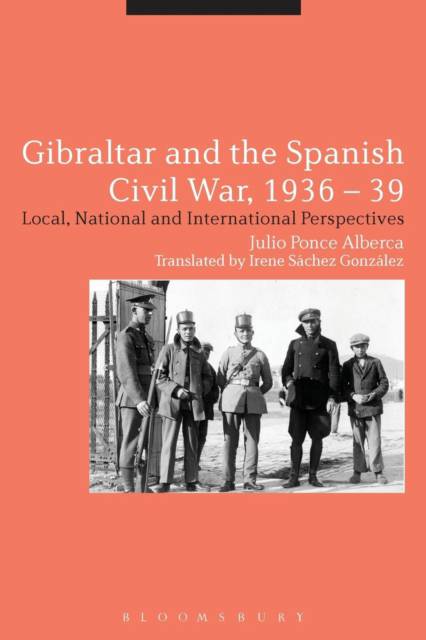
Gibraltar and the Spanish Civil War, 1936-39
Local, National and International Perspectives
Julio Ponce Alberca
Paperback | Engels
€ 89,95
+ 179 punten
Uitvoering
Omschrijving
Incorporating local, national and international dimensions of the conflict, Gibraltar and the Spanish Civil War, 1936-39 provides the first detailed account of the British enclave Gibraltar's role during and after the Spanish Civil War.
The neutral stance adopted by democratic powers upon the outbreak of the Spanish Civil War is well-known. The Non-Intervention Committee played a key role in this strategy, with Great Britain a key player in what became known as the "London Committee". British interests in the Iberian Peninsula, however, meant that events in Spain were of crucial importance to the Foreign Office and the victory of the Popular Front in February, 1936 was deemed a potential threat that could drive the country towards instability. This book explores how British authorities in Gibraltar ostensibly initiated a formal policy of neutrality when the uprising took place, only for the Gibraltarian authorities to provide real support for the Nationalists under the surface. The book draws on a wealth of primary source material, some of it little-known before now, to deliver a significant contribution to our knowledge of the part played by democratic powers in the 1930s' confrontation between Communism and Fascism. It is essential reading for anyone seeking a complete understanding of the Spanish Civil War.Specificaties
Betrokkenen
- Auteur(s):
- Vertaler(s):
- Uitgeverij:
Inhoud
- Aantal bladzijden:
- 208
- Taal:
- Engels
Eigenschappen
- Productcode (EAN):
- 9781474286435
- Verschijningsdatum:
- 19/05/2016
- Uitvoering:
- Paperback
- Formaat:
- Trade paperback (VS)
- Afmetingen:
- 156 mm x 234 mm
- Gewicht:
- 299 g



Alleen bij Standaard Boekhandel
+ 179 punten op je klantenkaart van Standaard Boekhandel
Cadeau

AANGERADEN


Beoordelingen
We publiceren alleen reviews die voldoen aan de voorwaarden voor reviews. Bekijk onze voorwaarden voor reviews.