


- Afhalen na 1 uur in een winkel met voorraad
- Gratis thuislevering in België vanaf € 30
- Ruim aanbod met 7 miljoen producten
- Afhalen na 1 uur in een winkel met voorraad
- Gratis thuislevering in België vanaf € 30
- Ruim aanbod met 7 miljoen producten





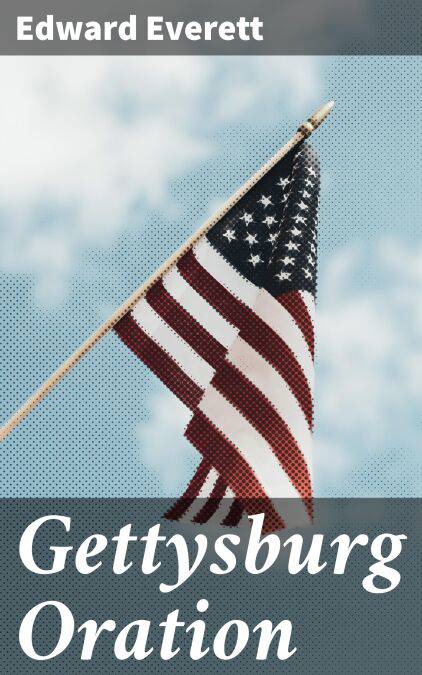
Gettysburg Oration E-BOOK
Honoring Sacrifice: A Tribute to Valor and Union in Historic American Oratory
Edward Everett
E-book | Engels
€ 1,99
+ 1 punten
Uitvoering
Eenvoudig bestellen
Veilig betalen


Onmiddellijk geleverd via e-mail
Omschrijving
Edward Everett's "Gettysburg Oration" serves as a poignant reflection on the human cost of the American Civil War, delivered on November 19, 1863. This eloquent speech, marked by its rhetorical grandeur, engages with themes of sacrifice, unity, and national identity. Everett'Äôs literary style blends classical allusions with passionate appeals, expertly contextualizing the significance of the Battle of Gettysburg within the broader narrative of American democracy. His oration, often overshadowed by Lincoln's brief yet profound Gettysburg Address, employs a structured argument, encouraging listeners to contemplate the future implications of the sacrifices borne on the battlefield. As a prominent politician, historian, and orator of his time, Edward Everett was deeply entrenched in the intellectual and cultural currents of 19th-century America. His experiences, including serving as a U.S. senator and governor of Massachusetts, informed his understanding of the national landscape. Moreover, his background in classic studies and public speaking cultivated a unique voice that resonated with his audience, allowing him to articulate the gravity of the moment and the enduring ideals of liberty and nationalism. I highly recommend "Gettysburg Oration" to those interested in the complexities of American history and rhetoric. Everett's eloquence not only illuminates the values of his era but also beckons contemporary readers to reflect on the lessons of sacrifice and unity that remain relevant today. This text is essential for anyone wishing to explore the enduring power of oratory in shaping history.
Specificaties
Betrokkenen
- Auteur(s):
- Uitgeverij:
Inhoud
- Aantal bladzijden:
- 37
- Taal:
- Engels
Eigenschappen
- Productcode (EAN):
- 4064066461294
- Verschijningsdatum:
- 10/04/2021
- Uitvoering:
- E-book
- Beveiligd met:
- Digital watermarking
- Formaat:
- ePub


Alleen bij Standaard Boekhandel
+ 1 punten op je klantenkaart van Standaard Boekhandel
CADEAU

AANGERADEN


Beoordelingen
We publiceren alleen reviews die voldoen aan de voorwaarden voor reviews. Bekijk onze voorwaarden voor reviews.