


- Afhalen na 1 uur in een winkel met voorraad
- Gratis thuislevering in België vanaf € 30
- Ruim aanbod met 7 miljoen producten
- Afhalen na 1 uur in een winkel met voorraad
- Gratis thuislevering in België vanaf € 30
- Ruim aanbod met 7 miljoen producten





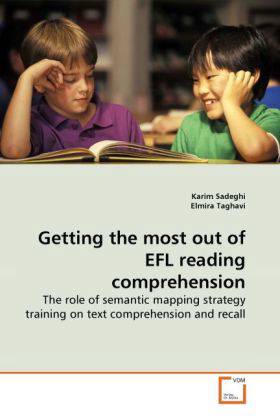
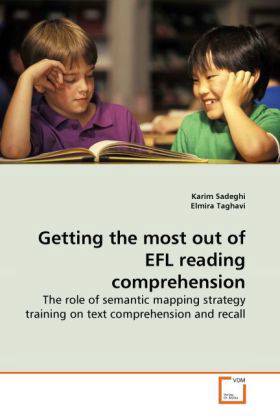
Getting the most out of EFL reading comprehension
The role of semantic mapping strategy training on text comprehension and recall
Karim Sadeghi, Elmira Taghavi
Paperback | Engels
€ 48,45
+ 96 punten
Omschrijving
William Lyon Phelps, an American author and critic, divided readers into two classes: those who read to remember and those who read to forget. Of course, reading that does not lead to comprehension may not be regarded as reading at all; and the starting quotation implies that not all comprehension leads to recall. Before helping readers to 'read to remember', we need to help them to 'read to comprehend' since otherwise forgetting will be the immediate outcome. Much has been said and written on how to help readers, particularly in an EFL context, to become more effective readers, letting them fall into the second category of readers described above. The current research-based book, where the experimental relationship between training readers to use the pre-reading strategy of semantic mapping and their comprehension and retention output is illustrated, is still another addition to the list of such books. The target audiences of the book are EFL practitioners, researcher, students, teachers and anybody interested in improving their reading.
Specificaties
Betrokkenen
- Auteur(s):
- Uitgeverij:
Inhoud
- Aantal bladzijden:
- 116
- Taal:
- Engels
Eigenschappen
- Productcode (EAN):
- 9783639258691
- Verschijningsdatum:
- 18/08/2010
- Uitvoering:
- Paperback
- Afmetingen:
- 152 mm x 229 mm
- Gewicht:
- 181 g


Alleen bij Standaard Boekhandel
+ 96 punten op je klantenkaart van Standaard Boekhandel
Cadeau

AANGERADEN


Beoordelingen
We publiceren alleen reviews die voldoen aan de voorwaarden voor reviews. Bekijk onze voorwaarden voor reviews.