


- Afhalen na 1 uur in een winkel met voorraad
- Gratis thuislevering in België vanaf € 30
- Ruim aanbod met 7 miljoen producten
- Afhalen na 1 uur in een winkel met voorraad
- Gratis thuislevering in België vanaf € 30
- Ruim aanbod met 7 miljoen producten





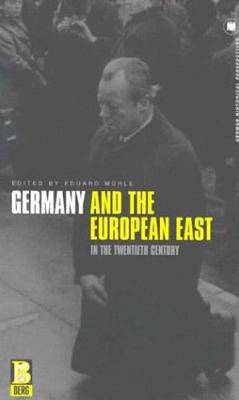
Germany and the European East in the Twentieth Century
€ 296,95
+ 593 punten
Omschrijving
How did German society perceive the European East during the short twentieth century? What were the mental maps Germans constructed as their images of the European East? How did these images alter over time due to changing political systems and to what extent did those mental perceptions influence political action and the relationship between Germany and Eastern Europe?Tackling questions such as these, this book looks at the complicated relationship between Germany and the European East. Politically significant, this relationship was often fraught with tension, always delicate and never easy. The book looks at the social, cultural and political contexts that shaped the German image of the East during the Weimar Republic, the Third Reich and the Federal Republic. In addition, it charts the mental maps that German society constructed with respect to single constituent parts of Eastern Europe, such as Czechoslovakia, Poland, the Baltic States and the Soviet Union.The contributors consider how the relationship was transformed from one of hostility to one more conciliatory in character by the end of the twentieth century.
Specificaties
Betrokkenen
- Uitgeverij:
Inhoud
- Aantal bladzijden:
- 224
- Taal:
- Engels
- Reeks:
Eigenschappen
- Productcode (EAN):
- 9781859737101
- Verschijningsdatum:
- 1/05/2003
- Uitvoering:
- Hardcover
- Formaat:
- Genaaid
- Afmetingen:
- 144 mm x 223 mm
- Gewicht:
- 349 g


Alleen bij Standaard Boekhandel
+ 593 punten op je klantenkaart van Standaard Boekhandel
Cadeau

AANGERADEN


Beoordelingen
We publiceren alleen reviews die voldoen aan de voorwaarden voor reviews. Bekijk onze voorwaarden voor reviews.