


- Afhalen na 1 uur in een winkel met voorraad
- Gratis thuislevering in België vanaf € 30
- Ruim aanbod met 7 miljoen producten
- Afhalen na 1 uur in een winkel met voorraad
- Gratis thuislevering in België vanaf € 30
- Ruim aanbod met 7 miljoen producten





€ 48,45
+ 96 punten
Uitvoering
Omschrijving
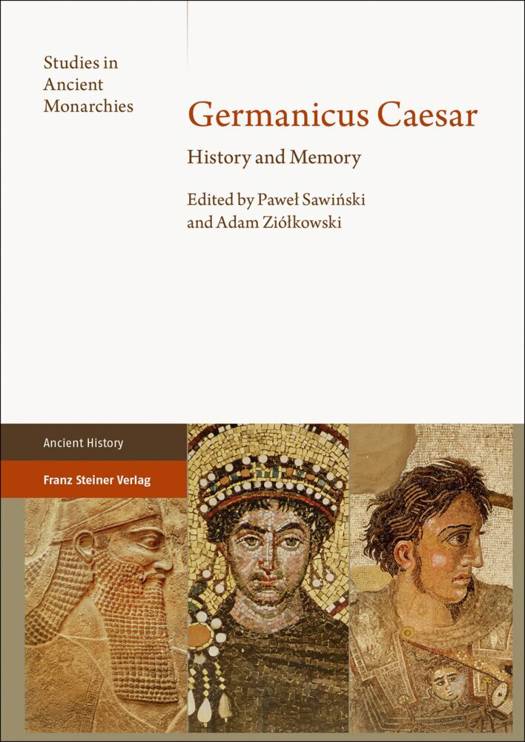
The historical memory of the principate is for obvious reasons dominated by the emperors, with one exception: Germanicus Caesar, who, though not a ruler, appears in the sources as if he had been one. Chosen by Augustus as his ultimate heir, the embodiment of the dynastic principle, yet never the emperor; put at the head of one third of the Roman army to reconquer Germania, but recalled before the task's completion; the last to hold an imperium which made him almost a co-regent of the emperor, cut short by his sudden death - he reflects like no one the transition of the principate from the Augustan phase to its mature form. Equally significant is the longevity of the memory of his person and the variety of ways in which it was expressed: the only non-emperor commemorated in the Feriale Duranum, he figures on coins struck long after the end of the Julio-Claudians and an edict of his, quoted in a legal text of the 3rd century, appears in the Digesta. To give justice to his memorability, our contributions approach him in the perspective of not only history, classical philology, art history/archaeology and numismatics, but also Egyptology and Roman law.
Specificaties
Betrokkenen
- Uitgeverij:
Inhoud
- Aantal bladzijden:
- 170
- Taal:
- Engels
- Reeks:
- Reeksnummer:
- nr. 8
Eigenschappen
- Productcode (EAN):
- 9783515134408
- Verschijningsdatum:
- 8/03/2023
- Uitvoering:
- Hardcover
- Formaat:
- Genaaid
- Afmetingen:
- 169 mm x 240 mm
- Gewicht:
- 1914 g

Alleen bij Standaard Boekhandel
+ 96 punten op je klantenkaart van Standaard Boekhandel
Cadeau

AANGERADEN


Beoordelingen
We publiceren alleen reviews die voldoen aan de voorwaarden voor reviews. Bekijk onze voorwaarden voor reviews.