

- Afhalen na 1 uur in een winkel met voorraad
- Gratis thuislevering in België vanaf € 30
- Ruim aanbod met 7 miljoen producten
- Afhalen na 1 uur in een winkel met voorraad
- Gratis thuislevering in België vanaf € 30
- Ruim aanbod met 7 miljoen producten





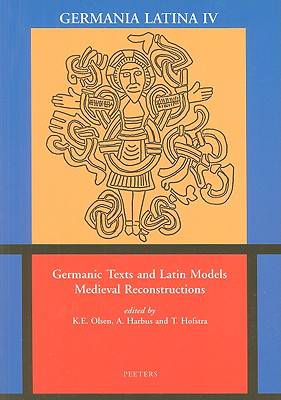
Germanic Texts and Latin Models Medieval Reconstructions
Germania Latina IV
€ 101,95
+ 203 punten
Omschrijving
Medieval writers who 'translated' Latin texts into Germanic vernaculars not only transmitted their originals, but, driven by individualistic impulses and cultural conventions, also transformed them. This process of domesticating texts was fundamentally creative and might more accurately be described as 'reconstruction'. The essays in Germanic Texts and Latin Models: Medieval Reconstructions explore the ways in which Latin texts and traditions were reconstructed in Old English, Old Icelandic and Old High German and cover a range of genres: legal texts, genealogies, histories, and poetry. They examine how medieval Germanic authors negotiated the need to transmit their models while at the same time fulfilling their own political, artistic and didactic objectives in the creation of vernacular texts. These new studies demonstrate the variety of ways in which medieval Germanic texts were indebted to their Latin exemplars, while reflecting their new culturally specific circumstances in the complex nexus of Latin learning and Germanic lore.
Specificaties
Betrokkenen
- Uitgeverij:
Inhoud
- Aantal bladzijden:
- 240
- Taal:
- Engels
- Reeks:
- Reeksnummer:
- nr. 2
Eigenschappen
- Productcode (EAN):
- 9789042909854
- Verschijningsdatum:
- 7/12/2001
- Uitvoering:
- Paperback
- Formaat:
- Trade paperback (VS)
- Afmetingen:
- 170 mm x 239 mm
- Gewicht:
- 635 g

Alleen bij Standaard Boekhandel
+ 203 punten op je klantenkaart van Standaard Boekhandel
Wedstrijd


Beoordelingen
We publiceren alleen reviews die voldoen aan de voorwaarden voor reviews. Bekijk onze voorwaarden voor reviews.