


- Afhalen na 1 uur in een winkel met voorraad
- Gratis thuislevering in België vanaf € 30
- Ruim aanbod met 7 miljoen producten
- Afhalen na 1 uur in een winkel met voorraad
- Gratis thuislevering in België vanaf € 30
- Ruim aanbod met 7 miljoen producten





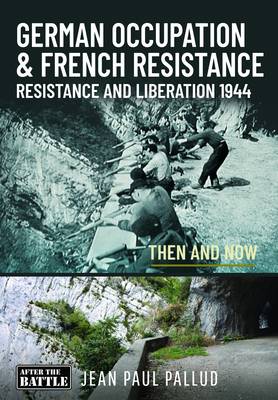
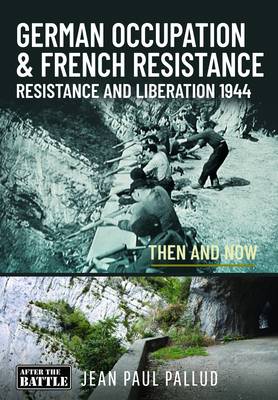
German Occupation and French Resistance
Resistance and Liberation 1944 Then and Now
Jean Paul Pallud
Hardcover | Engels
€ 34,95
+ 69 punten
Omschrijving
By the beginning of 1944, the Resistance in France had reached both a measure of unity with the creation of the FFI, the French Forces of the Interior, and a substantial strength. However, only 10 per cent of these potential soldiers were armed for the Allies gave until then a lack of priority to the armament and supply of the Resistance. It was only at the end of June, after a report from Special Forces Headquarters highlighted that, provided with weapons and supplies, the resistance would play an important role in the battle in France, that a first massive airdrop operation was launched. Three mass daylight drops followed in July, August, and early September, but all of this came far too late to have any real impact on the war.
The impressive increase of the Resistance actions all over France in 1943 compelled the German occupiers to switch armed forces to anti-guerrilla operations to supplement the security forces. In May 1944, some 5,000 armed FFI assembled in three strongholds in central France, Mont Mouchet being the most important, and the Germans had to launch a strong attack to disperse them. The same story applied at Saint-Marcel in Brittany in June. In June, the FFI took Tulle, a large city in central France which was the seat of a Préfecture. It was a major snub for the Vichy government as well as the German occupying forces, and a battle group of the 2. SS-Panzer-Division then on its way to the battle front in Normandy intervened, hanging 99 civilians in the streets.
Following plans developed to bring chaos behind the German lines during the Allied landing in Normandy, the Resistance activities increased significantly after D-Day. The rail-cutting program was remarkably effective with hundreds of individual operations carried out.
The OKW war diary reported daily on the battle against the resisters, noting 'Sabotageakte' against communications, railways and bridges, and operations against 'Banden' (gangs).
Under the pretext of fighting the partisans, German units committed numerous atrocities against the civilian population. The 2. SS-Panzer-Division made its infamous name by hanging 99 men in Tulle on June 9 and murdering 642 civilians, women and children included, in Oradour-sur-Glane the next day. Reporting of the operations against 'Banden', the OKW counted all the civilians murdered as 'Terroristen': 500 'Terroristen' shot on June 11, 365 on June 13, 220 on the 15th, 600 on the 16th . . .
In July, the Resistance established a stronghold in the Vercors plateau in the northern Alps, re-establishing the Republic there. The Germans launched a major operation with 8,000 to 10,000 men, including an airborne Kampfgruppe, to force the FFI to withdrew. This Operation 'Bettina' was the largest operation conducted by the Germans against the Resistance in Western Europe. Many civilians were murdered throughout the Vercors, villages were burned, and Vassieux was one of the four war crimes cases submitted by France to the International Tribunal at Nuremberg, along with Oradour-sur-Glane, Tulle and Ascq.
In the summer of 1944, Resistance forces liberated most of south-west and centre of France. In Brittany, the FFI provided very valuable assistance to the rapid advance of the US Third Army in August while in the south-east they facilitated the advance of the forces of the 6th Army Group which landed in Provence.
After the Liberation, resistance fighters joined the new French Army in the 6th Army Group and continued the fight alongside the Allies, allowing France to be associated with the 1945 victory over Nazi Germany.
Told through Then and Now comparison photographs that bring history to life, this book tells the story of the liberation of France. By pinpointing for the first time the locations where so many photographs were taken, the book will allow the readers to walk in the footsteps of the heroes of this great history.
The impressive increase of the Resistance actions all over France in 1943 compelled the German occupiers to switch armed forces to anti-guerrilla operations to supplement the security forces. In May 1944, some 5,000 armed FFI assembled in three strongholds in central France, Mont Mouchet being the most important, and the Germans had to launch a strong attack to disperse them. The same story applied at Saint-Marcel in Brittany in June. In June, the FFI took Tulle, a large city in central France which was the seat of a Préfecture. It was a major snub for the Vichy government as well as the German occupying forces, and a battle group of the 2. SS-Panzer-Division then on its way to the battle front in Normandy intervened, hanging 99 civilians in the streets.
Following plans developed to bring chaos behind the German lines during the Allied landing in Normandy, the Resistance activities increased significantly after D-Day. The rail-cutting program was remarkably effective with hundreds of individual operations carried out.
The OKW war diary reported daily on the battle against the resisters, noting 'Sabotageakte' against communications, railways and bridges, and operations against 'Banden' (gangs).
Under the pretext of fighting the partisans, German units committed numerous atrocities against the civilian population. The 2. SS-Panzer-Division made its infamous name by hanging 99 men in Tulle on June 9 and murdering 642 civilians, women and children included, in Oradour-sur-Glane the next day. Reporting of the operations against 'Banden', the OKW counted all the civilians murdered as 'Terroristen': 500 'Terroristen' shot on June 11, 365 on June 13, 220 on the 15th, 600 on the 16th . . .
In July, the Resistance established a stronghold in the Vercors plateau in the northern Alps, re-establishing the Republic there. The Germans launched a major operation with 8,000 to 10,000 men, including an airborne Kampfgruppe, to force the FFI to withdrew. This Operation 'Bettina' was the largest operation conducted by the Germans against the Resistance in Western Europe. Many civilians were murdered throughout the Vercors, villages were burned, and Vassieux was one of the four war crimes cases submitted by France to the International Tribunal at Nuremberg, along with Oradour-sur-Glane, Tulle and Ascq.
In the summer of 1944, Resistance forces liberated most of south-west and centre of France. In Brittany, the FFI provided very valuable assistance to the rapid advance of the US Third Army in August while in the south-east they facilitated the advance of the forces of the 6th Army Group which landed in Provence.
After the Liberation, resistance fighters joined the new French Army in the 6th Army Group and continued the fight alongside the Allies, allowing France to be associated with the 1945 victory over Nazi Germany.
Told through Then and Now comparison photographs that bring history to life, this book tells the story of the liberation of France. By pinpointing for the first time the locations where so many photographs were taken, the book will allow the readers to walk in the footsteps of the heroes of this great history.
Specificaties
Betrokkenen
- Auteur(s):
- Uitgeverij:
Inhoud
- Aantal bladzijden:
- 136
- Taal:
- Engels
Eigenschappen
- Productcode (EAN):
- 9781036156077
- Verschijningsdatum:
- 30/11/2026
- Uitvoering:
- Hardcover
- Formaat:
- Genaaid
- Afmetingen:
- 171 mm x 248 mm


Alleen bij Standaard Boekhandel
+ 69 punten op je klantenkaart van Standaard Boekhandel
Cadeau

AANGERADEN


Beoordelingen
We publiceren alleen reviews die voldoen aan de voorwaarden voor reviews. Bekijk onze voorwaarden voor reviews.