


- Afhalen na 1 uur in een winkel met voorraad
- Gratis thuislevering in België vanaf € 30
- Ruim aanbod met 7 miljoen producten
- Afhalen na 1 uur in een winkel met voorraad
- Gratis thuislevering in België vanaf € 30
- Ruim aanbod met 7 miljoen producten





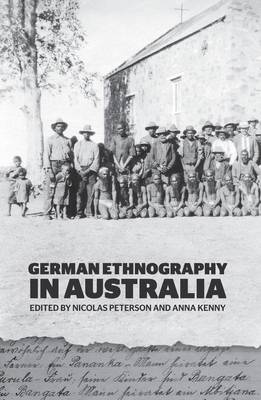
German Ethnography in Australia
€ 70,95
+ 141 punten
Omschrijving
The contribution of German ethnography to Australian anthropological scholarship on Aboriginal societies and cultures has been limited, primarily because few people working in the field read German. But it has also been neglected because its humanistic concerns with language, religion and mythology contrasted with the mainstream British social anthropological tradition that prevailed in Australia until the late 1960s. The advent of native title claims, which require drawing on the earliest ethnography for any area, together with an increase in research on rock art of the Kimberley region, has stimulated interest in this German ethnography, as have some recent book translations. Even so, several major bodies of ethnography, such as the 13 volumes on the cultures of northeastern South Australia and the seven volumes on the Aranda of the Alice Springs region, remain inaccessible, along with many ethnographically rich articles and reports in mission archives. In 18 chapters, this book introduces and reviews the significance of this neglected work, much of it by missionaries who first wrote on Australian Aboriginal cultures in the 1840s. Almost all of these German speakers, in particular the missionaries, learnt an Aboriginal language in order to be able to document religious beliefs, mythology and songs as a first step to conversion. As a result, they produced an enormously valuable body of work that will greatly enrich regional ethnographies.
Specificaties
Betrokkenen
- Uitgeverij:
Inhoud
- Aantal bladzijden:
- 522
- Taal:
- Engels
- Reeks:
Eigenschappen
- Productcode (EAN):
- 9781760461317
- Verschijningsdatum:
- 20/09/2017
- Uitvoering:
- Paperback
- Formaat:
- Trade paperback (VS)
- Afmetingen:
- 153 mm x 234 mm
- Gewicht:
- 957 g

Alleen bij Standaard Boekhandel
+ 141 punten op je klantenkaart van Standaard Boekhandel
Cadeau

AANGERADEN


Beoordelingen
We publiceren alleen reviews die voldoen aan de voorwaarden voor reviews. Bekijk onze voorwaarden voor reviews.